Discovering Japanese Traditional Woodworking
So, here I am, nursing my second cup of coffee while the morning sun creeps through the kitchen window, casting flickering shadows on the table. I’ve been thinking a lot about woodworking lately—specifically, Japanese traditional woodworking. It’s a bit of an obsession, really, and I might’ve bitten off more than I can chew, but you know how it is. That little spark of inspiration just kind of catches you off guard sometimes.
Where It All Started
I guess it all really started during one of those weekends when I had way too much time on my hands. You know those lazy Saturdays where the hours feel like they stretch into infinity? I decided I’d finally tackle the last corner of my garage that had been gathering dust and odds and ends—a real mess. I stumbled upon this old copy of a woodworking magazine that was lying around—seriously, I think it was two years old—featuring some beautiful Japanese dovetail joints. And let me tell you, they looked unreal. The craftsmanship was so precise that it made me wonder if the wood was, like, magically held together or something.
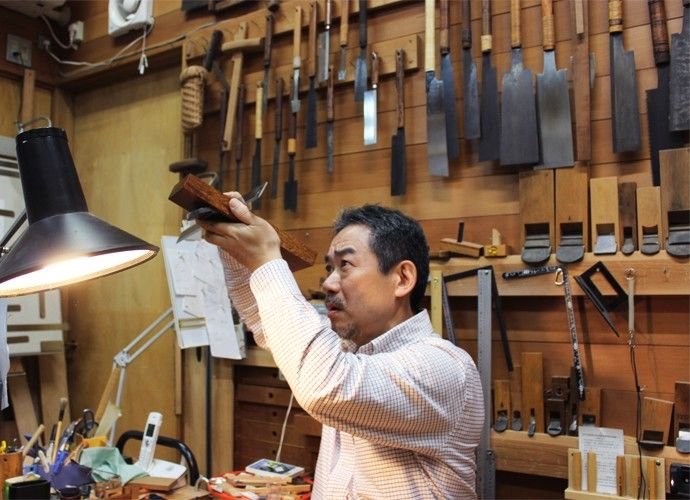
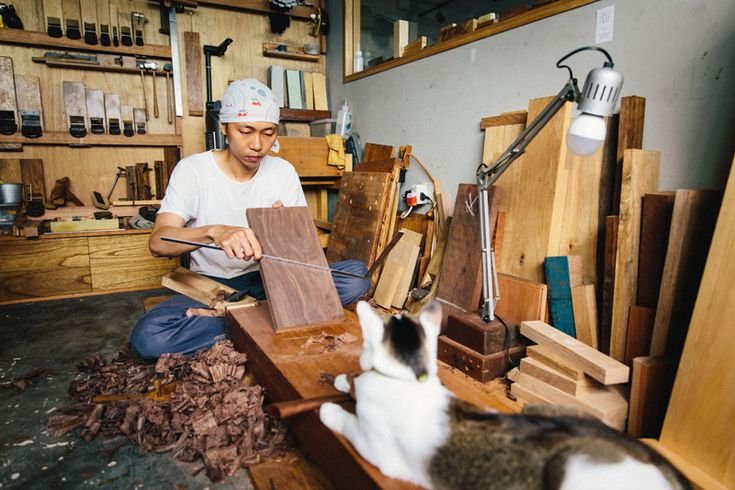
Well, I found myself scrolling through YouTube for days, watching these incredible craftspeople work their magic with Japanese chisels and planes. Those tools, man, they have a distinct beauty—so sleek and sharp. When I finally got my hands on a couple of real-deal chisels from Japan, I just had to try it out, right?
The First Project: A Wooden Box
I decided to make a small wooden box, you know, just to dip my toes in the water. And, oh boy, did it spiral from there. I went with cedar because the smell, oh my goodness—I’m telling you, it’s like a mix of a forest and… I don’t know, a sweet summer day? Just intoxicating. Not to mention, cedar’s soft enough to work with, which seemed like a plus.
But as I started, I quickly learned that those Japanese tools didn’t just magically make everything perfect. That first cut with my new chisel? A disaster. I nearly made a V-shape instead of a straight line. I laughed out loud when I realized I’d just obliterated this beautiful piece of wood that I’d been so careful about selecting. There’s this phrase in the Japanese woodworking world—“shokunin”—which means “craftsman.” And it’s about this commitment to the craft that I really admired, yet here I was, fumbling like a toddler with a crayon.
Lesson Learned: Patience and Precision
So, I took a step back, had a little chat with myself, and decided patience was key. I spent hours practicing my cuts on scrap wood. And let me tell you, the sound of that chisel biting into the wood is one of the most satisfying noises ever. With each stroke, I could feel my confidence growing—until I messed up again. Turns out, getting the angles right on those dovetails is hard. Way harder than it looks. I almost gave up when I realized I had this ugly gap after my third attempt.
It’s funny because at one point, I thought I’d just call the whole thing a lost cause and revert back to simpler projects. But something clicked. Maybe it was the smell of cedar again, or maybe it was just stubbornness. I felt like I was too close to give up. I spent a wee bit more time just letting that traditional Japanese spirit seep into my process. A bit of mindfulness, maybe? I really just focused on the rhythm of the tools, letting myself enjoy each cut and the soulful process it brought.
The Final Touch
After some late nights of trial and error, and plenty of overly excited moments when things started to work, I finally had my box. I can still remember the tingle of satisfaction when I put that final touch on it—a tiny handmade latch that felt like the cherry on top of an ice cream sundae. I set it on my desk, and it felt like a little piece of Japan had found its way into my home. I chuckled, thinking about how far I’d come from that first botched cut.
Taking Away the Experience
But you know what? This journey through woodworking isn’t just about the end result—it’s everything in between. The smells, sounds, frustrations, gentleness with the wood, and those fleeting moments that make you laugh, like when you realize you’ve been holding the chisel upside down. Even the mistakes? They’ve taught me more than I could’ve asked for.
If you’re thinking about giving it a shot yourself, I’d say dive in. Don’t worry about perfection; every wobble and crooked line has a story. Embrace the learning process, flaws and all. I mean, heck, even the best craftsmen probably dropped perfect tools more times than you’d think!
In the end, woodworking is a beautiful mess—much like life. So grab a piece of wood, some good tools, and don’t be afraid to get a bit messy. You’re bound to find some joy tucked away among the sawdust.