
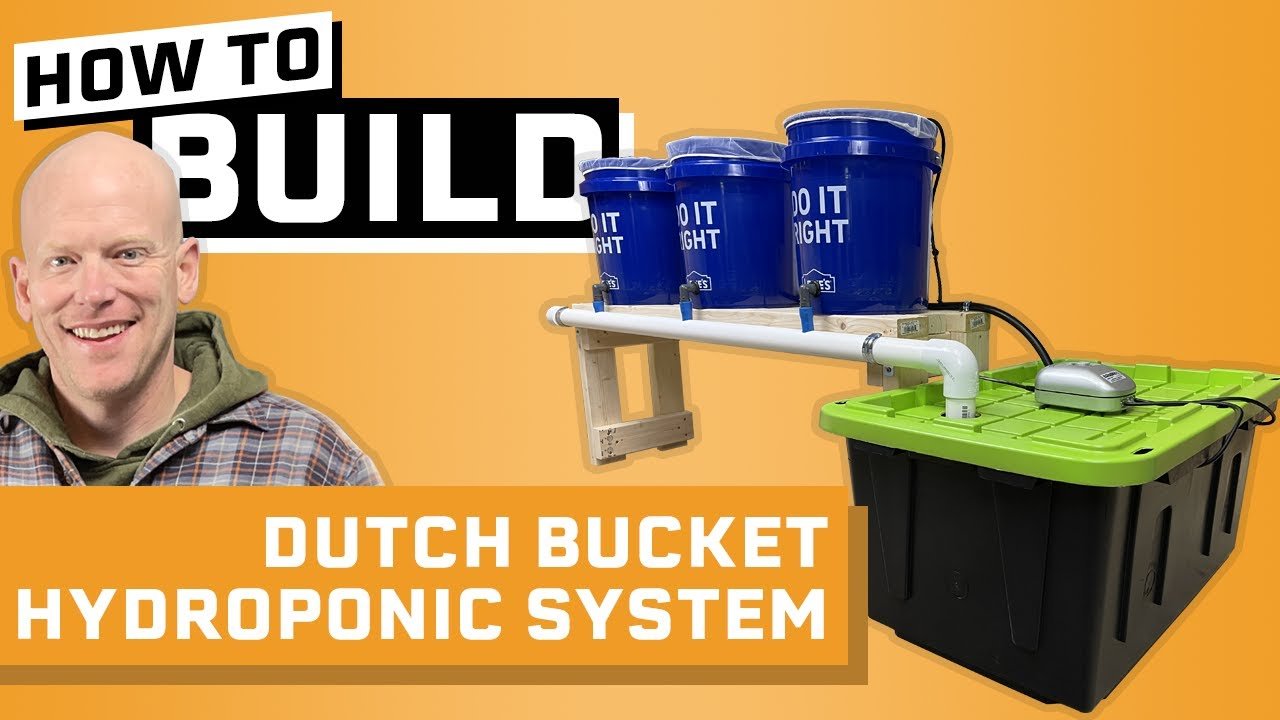
A Fishy Adventure in Hydroponics
You know that saying about the best-laid plans? Well, I’m here to tell you that those plans often lead to a mess in the backyard—literally. Last spring, spurred on by a fascination with sustainable living and a ridiculous amount of YouTube videos, I decided to take a plunge into hydroponics, with a whimsical twist. I wanted to build an aquaponics system. You know, fish and plants living in harmony like a nature-themed rom-com.
The Initial Spark
So there I was, sipping my morning coffee in our little kitchen, listening to the birds chirping outside as I browsed countless internet pages. I thought to myself, “How hard can this be?” I’d heard tales from friends about lush tomatoes growing like weeds and herbs sprouting up like they were on steroids. The idea of growing fresh veggies while keeping some fish was appealing—and eco-chic. What could possibly go wrong?
I rummaged through my shed, armed with nothing but some old PVC pipes, a water pump I’d once bought on a whim for a fountain that never got built, and an old aquarium that’d been gathering dust for years. This was going to be a backyard revolution!
Building the Dream
I set aside a Saturday morning to put it all together, fueled by optimism and Robert’s leftover bag of potting soil—which hadn’t seen the light of day since 2019—yes, that was a thing. I remember laying those PVC pipes down like I was crafting a bridge across a jungle river. My goal was to create a nutrient-rich environment where fish waste would nourish my plants. Just imagine the straight-up satisfaction of serving my family an organic salad from our backyard!
That feeling lasted all of two hours while I tried to connect everything. I should’ve known when I had to Google “how to use a pump” that I might be in over my head.
The Water Smell Whoopsie
Somewhere in the madness, things started getting away from me. I thought I’d nailed it—water was flowing, and it looked reasonably good for a first-time project. Then came the moment of truth. I eyed my setup with satisfaction, eager to introduce the fish. My neighbor had a surplus of goldfish, so I snagged a handful. Nothing says “success” like a floating aquarium full of gup-gup goodness.
Fast forward a week: I monitored the thing like it was my new child. But one evening, I walked out to check on my glorious revolution, and holy cow, it smelled awful—like a bad seafood market. I peered into the tank to discover the water had started turning green. I’d read about algae, but boy, I didn’t think I’d end up with an Algae Apocalypse.
Learning on the Go
Frustration? You bet. I almost threw in the towel when the water level seemed low due to evaporation (yes, I was still figuring out how to maintain it). I was ready to give up when I had to scrape green goo off everything. As a last-ditch effort, I reached for my gardening books, flipping through pages stained with dirt and spills from long-forgotten projects.
That’s when I learned about water aeration. I dashed to the hardware store, searching for an air pump and extra tubing like I was on an adventure. Once I had those, I gave it a whirl, and within a week, the water quality started to stabilize—thank heaven.
Oh, but that’s not the end of the story. I’d gotten a little cocky by then. I started planting herbs, basil, and cilantro to be exact. They took off like they were on an overzealous growth mission! I was on top of the world… until I couldn’t figure out why some of the plants were wilting and the fish was getting sluggish. Tube blockages? Nope. I forgot to add more nutrients to the water.
The Fish Trials
The fish were surprisingly resilient, although I did lose a couple during the panic moments—R.I.P. Gus and Bubbles, my initial green buddies. I’ll chalk that up to my rookie mistakes while trying to keep my pH balanced. Who knew fish water needed to be monitored like a delicate potion at Hogwarts?
After each minor setback and minor existential crisis, some funny things started happening. I enlisted a couple of my kids to help. They delighted in naming each fish while trying to feed them the wrong food—who knew they were picky eaters, too?
One of my sons, I swear, had an obsession with the fish, and he’d name the herbs too: “That’s Basil the Brave!” The humor helped dance away the stress. Every time I felt like giving up, I’d see the kids laughing at the fish swimming in their cozy little home, and I found my footing again.
Finding Harmony
Somewhere along the way, it clicked. The more I allowed for those little hiccups to teach me, the more I enjoyed the experience. My aquaponics setup began to resemble something magical. I harvested my first batch of basil and used it for a homemade pizza—berries from the backyard—and my kids actually liked it! Then it hit me: the key wasn’t perfection but connection.
If you’re thinking about starting something similar, don’t let the fear of mistakes hold you back. You will have a little failure, but you’ll figure it out. Just dive in. Your backyard’s transformation could use a little chaos and laughter.
So grab that bag of potting soil, a random fish tank, and call up your neighbor for some fish—you’ve got this!
And if you want to jump into aquaponics alongside others navigating this adventure, join the next session. You’ll find your community, support, and probably some good laughs along the way too!

Leave a Reply