
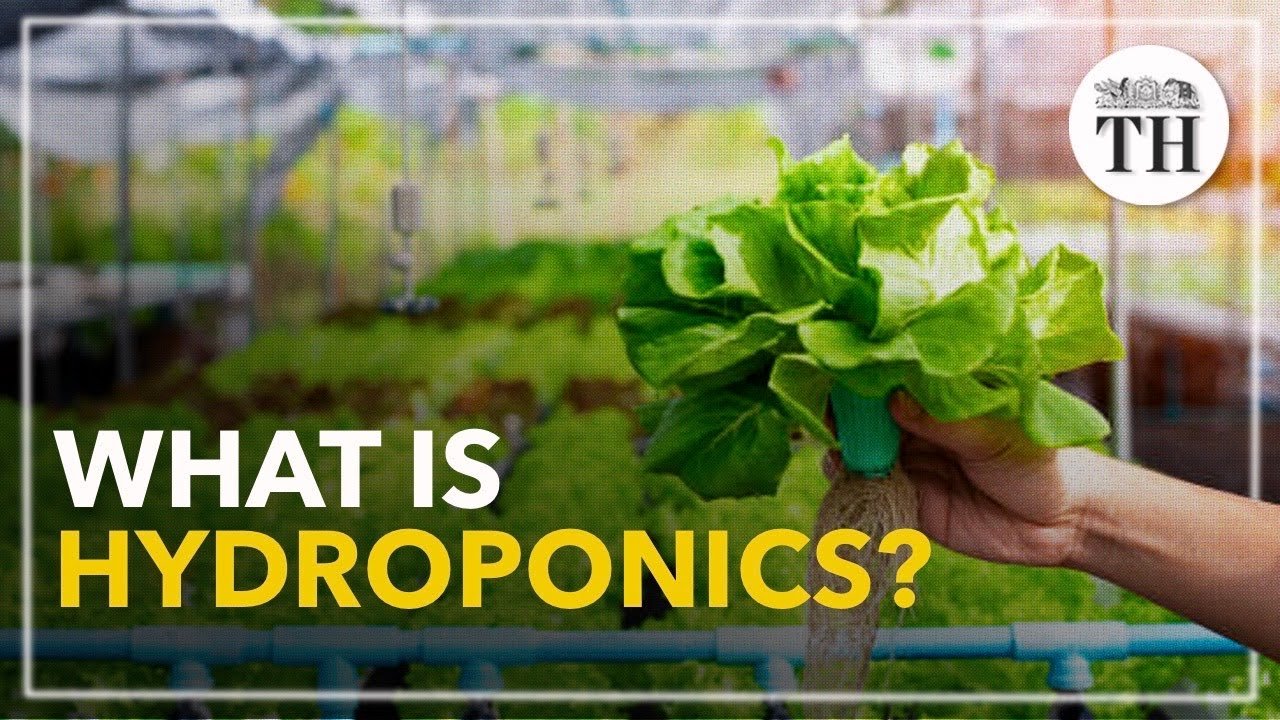
The Wet and Wild Journey of My Backyard Hydroponics Adventure
Sitting here on a rainy Tuesday morning, with the aroma of a fresh cup of coffee swirling around me, I can’t help but think back on my brief dalliance with hydroponics. It started innocently enough. I was scrolling through YouTube, coffee in hand, when I stumbled upon a video about aquaponics. They made it sound so easy—fish and plants thriving together, all in a beautifully designed system that almost seemed magical. “Hey, I can do that,” I thought. Little did I know, my backyard was about to become a mini version of a watery disaster movie.
The Plan Begins
Armed with enthusiasm and a few too many online tutorials, I simply had to gather some materials. My husband’s old toolbox in the shed became a treasure trove of tools. There were PVC pipes, an electric drill that had seen better days, and an assortment of wrenches that I had no clue how to use. I drove to the local hardware store, mixing with people who eyed me curiously—a city girl suddenly gung-ho about farming.
I picked up a plastic storage bin for the fish tank. Let me tell you, navigating through those aisles, surrounded by fluorescent lights while carrying visions of organic tomatoes and happy fish in my mind—well, I felt like a part of an exclusive horticultural club. I came home with my spoils, giddy with excitement.
For fish, I decided on goldfish. I thought, “How hard can they be? They’re pretty!” Plus, they were cheap, and I quickly learned that starting with something low-maintenance was probably wise. That first day, I thought I was a genius. I’d be like one of those eco-warriors on Instagram.
Reality Hits
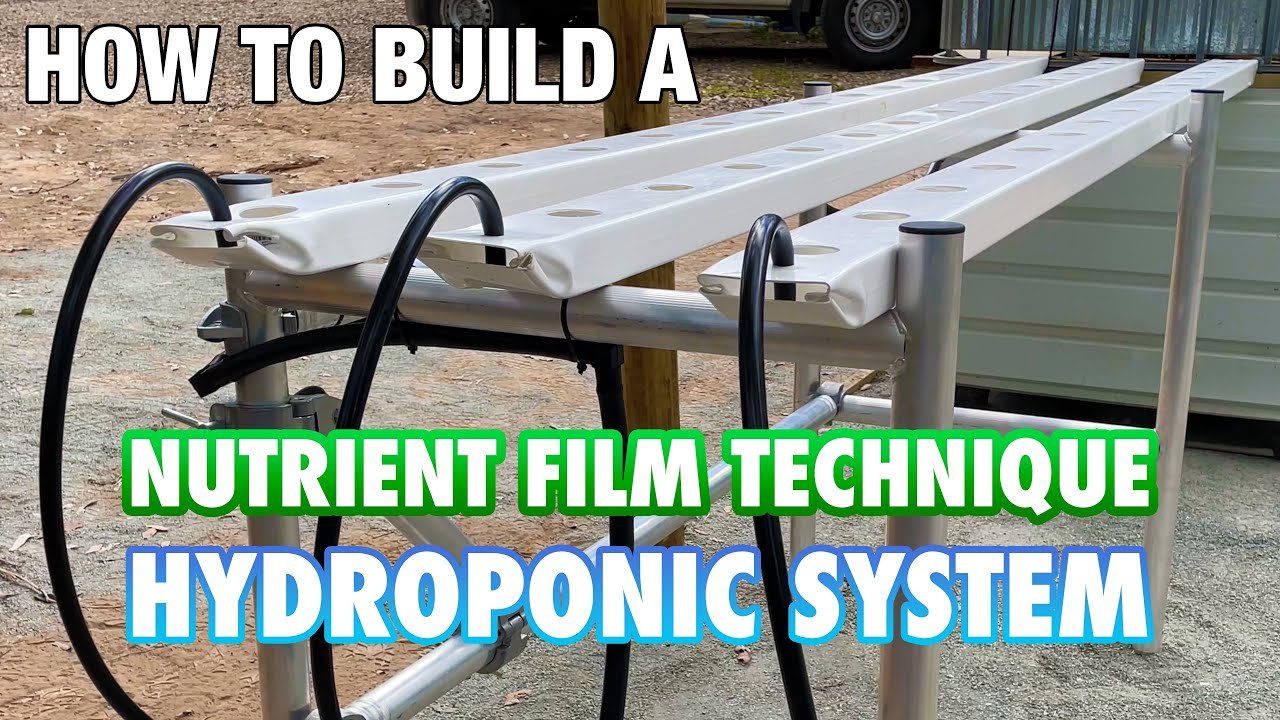
I built my aquaponics system; it was only three feet long, but to me, it felt monumental. The plants would be suspended in a grid of net pots and clay pellets, all teeming with life. I connected the water pump, filled up the storage bin with water, and released the goldfish like a proud new parent. Watching them swim around in their little world, I thought, “This is going to be amazing!”
But it wasn’t long before the oh-so-innocent enchantment wore off. The water started smelling funny. I mean, really funny. Like a wet sock that had been left in a locker for days. I Googled the smell, feeling that heart-sinking feeling of knowing I’d messed up somehow, but the search results just sent the anxiety spiraling.
Learning the Hard Way
I tried everything—adding plants, merely hoping they’d absorb the odors like puffs of gratitude. But my little water world transformed into a swamp. The water turned a sickly green that would make any self-respecting gardener cringe.
One day, while staring into that murky pit of despair, I turned to my neighbor, an old guy I’d seen in his garden many times. “What’s the deal with aquaponics?” I asked, half-expecting him to shake his head and laugh. But instead, he cocked an eyebrow and said, “You can’t rush nature, lady.”
With those words echoing in my head, I did what any sensible person would do: I nearly gave up. I wanted to bleat “Why am I doing this?” but I stubbornly persisted. I rummaged through my shed again and discovered a forgotten box of activated carbon that I could use in my filter.
The Comeback
After a week of relentless tinkering and what felt like an eternity of watching video tutorials, I finally felt like I might be turning a corner. The water began to clear, and the plants perked up as though they were ready to stage a comeback concert. For a moment, I believed I had actually pulled this off.
But the fish were a different story. One morning, I looked into the tank, and my heart sank. One of the goldfish had floated to the top, belly-up. That was the moment I felt the weight of my inadequacies pressing down on me. “My fish are dying!” I lamented over my coffee one morning, tears mixing with caffeine.
Eventually, I realized that fish are more finicky than I initially thought, and I should have tested the water parameters regularly. Who knew that something as obscure as pH levels could be the deciding factor between life and death?
Connection Reinforced
You know, it was during those frustrating moments that I had real epiphanies. I found a community of enthusiasts online who reassured me that failure was simply part of the game. They shared similar stories of fish casualties and tank disasters, reminding me that I wasn’t alone on this wild ride.
So I tried again—this time, with a better understanding of water quality, using a small pH testing kit I found at a pet store. I lost more fish, sure, but I also had success with the plants. I even snuck in a few herbs, like basil and mint. And you better believe I added those to my cooking.
Takeaway
Looking back on that whole journey, it’s remarkable what I learned—not just about plants and fish, but about patience and resilience. I thought I would have a stunning aquaponics paradise, but instead, I got a messy, fishy life lesson.
If you’re thinking about diving into this whole indoor-outdoor hydroponics adventure, don’t worry about getting it right on the first try. Just start. Embrace the chaos, the failures, and the unexpected joys—trust me, it’s all a part of the journey.
So, fill that cup, pull on those gardening gloves, and remember: water isn’t just for growing things; it’s also for learning how to navigate life itself.
If you’re curious to learn more about this journey, join our next session on hydroponics. Life’s too short to drink mediocre coffee, and I promise it’ll be a blast. Reserve your seat.

Leave a Reply