

My Aquaponics Adventure: A Small-Town Tale of Fish, Plants, and a Lot of Lessons
I don’t know what got into me that summer. Maybe it was the long, quiet evenings that begged for a project. Maybe it was the recent surge of Instagram posts featuring lush, green hydroponics systems and cute fish tanks. Whatever it was, I found myself driven to transform my backyard into a small aquaponics setup. You know, the kind that looks simple and impressive on YouTube but feels like a life sentence of trial and error in real life.
The Spark of Inspiration
So, one sunny Saturday morning in our little town, I finally decided to take the plunge. Armed with a strong cup of coffee and a few YouTube videos that made the whole thing look deceptively easy, I wandered into my shed. My husband had long since given up on the idea of me cleaning out that mess; it was my treasure chest of junk. Old wood, broken tools, even a rogue lawn gnome that I had no idea why I still had. That’s when I found it—a weathered, wooden palette. Perfect!
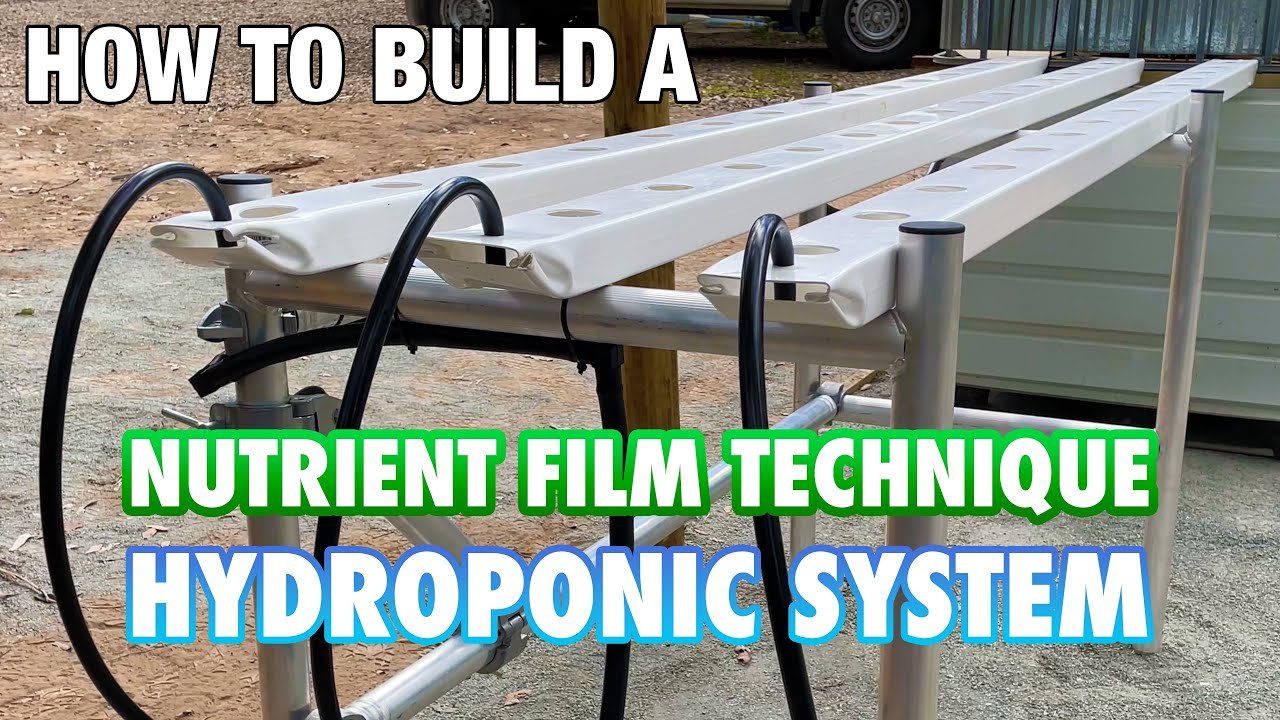
With some questionable determination, I set about constructing a simple frame. One side of the palette would hold the plants, and the other would house a fish tank. I somehow convinced myself that if I could assemble Ikea furniture, I could definitely build a backyard ecosystem. Little did I know that those beautiful images I had seen online often glossed over the messiness of reality.
Fishy Complications
Fast forward a few weeks of measuring, cutting, and swearing—I finally had a largely functional aquaponics system. I was so proud, I might as well have signed it and hung it in a gallery. The next step was crucial: picking my fish. Silver river minnows seemed practical. They seemed hardy enough to survive my amateur attempts at aquaculture. I ventured down to the local pet store, where a friendly clerk sold me a bag of minnows and some fish food. “Good luck!” she smiled, blissfully unaware of what awaited me.
I had set the water up correctly, or so I thought. The fish flew around enthusiastically, and I felt like an aquaponic god until it all came crashing down. No, really—things turned sour faster than the milk left on the counter too long. Within a few days, I noticed a foul smell wafting from the tank. Turns out I hadn’t cycled the water properly, and it was more toxic than nourishing.
Green Waters and Growing Frustrations
I decided to improvise. The smell of the tank was bad, but the sight of those little minnows struggling was worse. I rushed to the local hardware store, picking up a water pump because I thought, how hard could it be? My heart sank when I got home, and the pump refused to work. Isn’t everything supposed to come with instructions?
After a few more trips back and forth between YouTube and my garage, I managed to get it running. I thought I’d nailed it, but a few days later, my water turned green. I skimmed the surface and saw uneven algae patches. “What is this, a pond?” I muttered. A mix of fear and despair washed over me. Nothing I did seemed to fix it. I even tried to siphon it out with a garden hose, which only resulted in a soggy mess and a few expletives.
Reviving Hope
After the algae incident and watching the minnows go from lively darting fish to glum floaters, I was ready to throw in the towel. But then, the unthinkable happened: a couple of plants began to sprout. A handful of little lettuce heads peeked through the gravel, vibrant green and alive. It was like a little nudge from the universe, a reminder that not all was lost.
So, I dusted myself off, did some late-night research—thank you, midnight Wikipedia rabbit holes—and discovered the cyclical nature of aquaponics. It was a humbling experience. My mistakes weren’t signs of failure; they were part of the learning process. I realized that I didn’t have to nail every detail perfectly. Daylight savings took on new meaning when I’d find myself deep in online forums at 2 a.m., learning about nitrogen cycles and pH levels—all while hoping the fish weren’t dying on me.
The Real Reward
Eventually, the water cleared up, and my minnows started to regain some strength. I wouldn’t say I mastered aquaponics, but I celebrated the small wins. I even repurposed some old plastic containers from my gardening days, redesigning my set-up into something that was actually functional and, dare I say, aesthetically pleasing.
The plants grew above the fish tank, feeding into a strange but beautiful little ecosystem. I was proud yet humbled by the entire journey, and every time I’d head to my backyard, there was that bittersweet scent of hardworking fish and slightly overripe lettuces welcoming me.
Final Thoughts
So, what’s the takeaway here? Don’t worry about getting it perfect. Just start. Dive into those murky waters (figuratively and literally). Your first attempt might be a dismal failure—or it might be an unexpected success. The important part is to embrace the journey and learn as you go along. Look for beauty in the mess and know that growth often comes from failing first.
If you’re thinking about building an aquaponics system, just take the plunge. Join our next session to connect with others who are also dreaming up wild ideas and turning them into reality. Reserve your seat today, and who knows? You might end up with the next backyard wonder!

Leave a Reply