
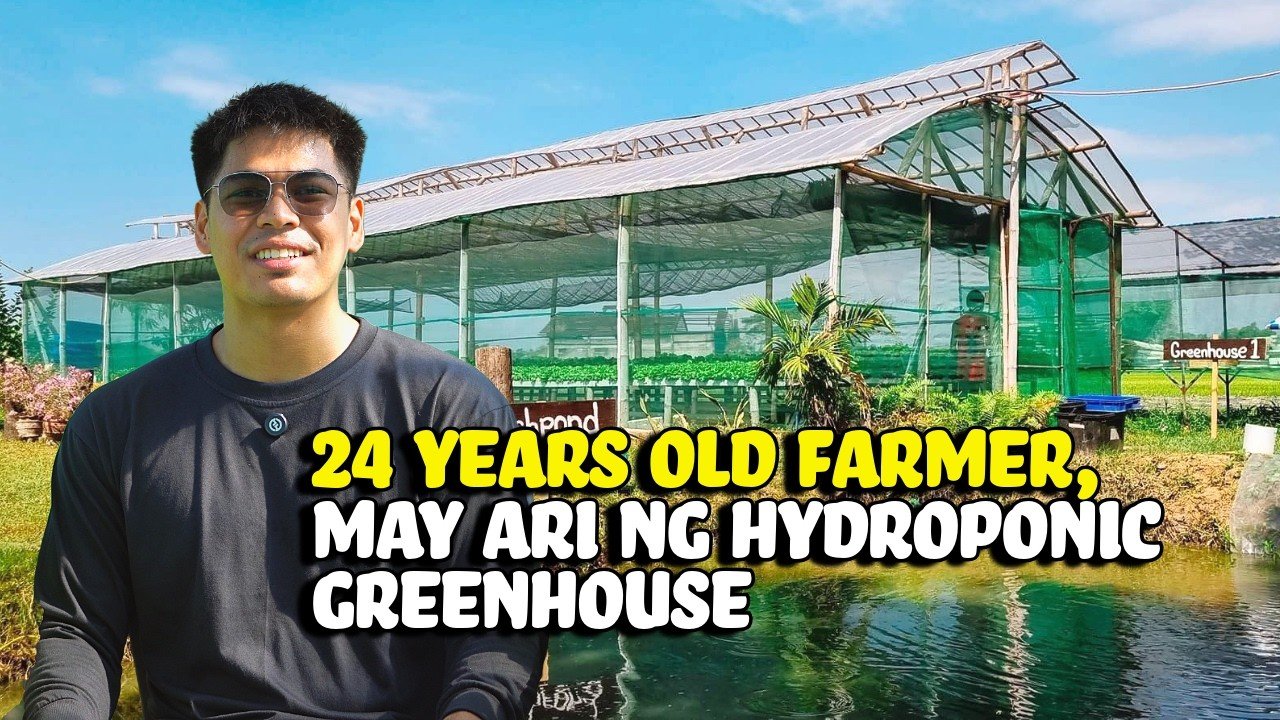
A Fishy Adventure: My Journey into Aquaponics
It was one of those languid summer afternoons in our little town—birds chirping, kids playing outside, and the scent of freshly cut grass wafting through the air. As I sipped my iced tea on the porch, I had an epiphany: "I could totally raise fish and grow veggies in my backyard." My friends had been talking about hydroponics and aquaponics, and let me tell you, I was intrigued. It sounded like magic, like a little alchemy potion I could whip up right in my own garage. But oh, the road to aquaponics is a bumpy one.
The Great Idea
I started sketching out plans on a napkin—gathering my thoughts like a child desperate to create their first masterpiece. I wanted to build an aquaponics system, using fish waste to nourish plants. The whole idea tingled with promise. I imagined myself plucking tomatoes, basil, and maybe even some fresh lettuce, all while a couple of happy fish swam around to provide the magic elixir—fish poop. Who knew it could be this poetic?
Now, most people would probably go online, watch a few tutorials, and order everything they need from a fancy gardening store. Not me. Oh no, I was determined to do this the good old-fashioned way, digging through our shed like a pirate on a treasure hunt. I found old PVC pipes, a giant plastic tub that had once housed an unfortunate goldfish named Bubbles, and a don’t-ask-me-how-old aquarium pump that had definitely seen better days.
I thought I was set. How could this go wrong?
The First Few Weeks
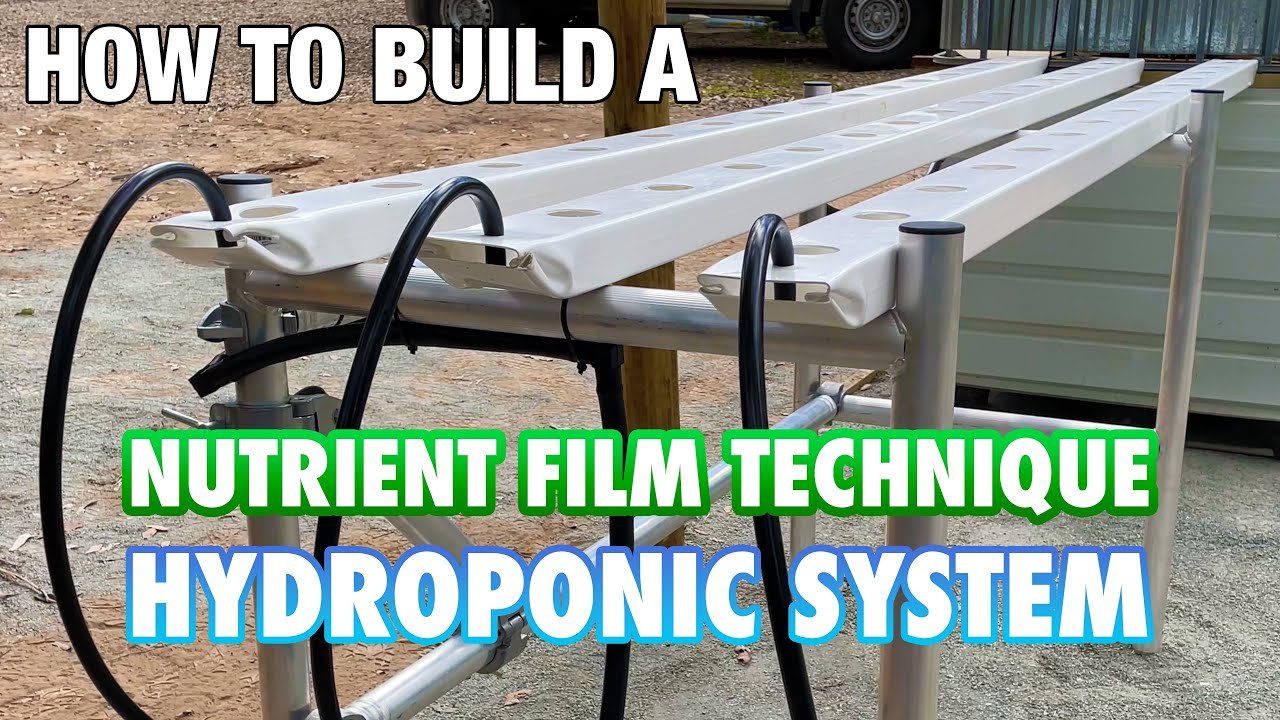
Well, it started off decent enough. I spent more evenings than I care to admit screwing together pipes, cutting plastic, and using every ounce of tape in the house. Before long, I had a rudimentary system in place: a makeshift grow bed perched atop the tank, fish swimming lazily below.
I set up everything on a Saturday, and by Sunday, I had my first batch of fish—feisty little tilapia. They were probably the main reason I got excited. I’d picked tilapia because they’re hardy and can handle a bit of variation in water quality. Little did I know how much variation I would create.
The first few days were a dream—watching the bubbles rise, feeling like I had created a miniature ecosystem. But I quickly learned that the whole thing is more of a dance than a straightforward march to success. I overfed the fish, and soon enough, the water turned a murky green reminiscent of swamp water.
“Think, Sarah,” I murmured, tapping my finger on my chin. “Why is it green?” Turns out, I hadn’t exactly mastered the art of fish feeding yet. I spent a whole day scrambling to read up on water quality and praying my tilapia wouldn’t die in the process.
Struggles and Setbacks
Over the next few weeks, I had moments of sheer panic. I learned firsthand that water quality is everything. The smell of the tank started to permeate the air, and not in a good way. “If only I could bottle this smell and sell it as a natural air freshener,” I joked to my husband, who nodded cautiously. I think he was worried I had finally snapped.
One day, I returned from an errand to find one of my precious fish floating lifelessly at the top. My heart sank. Did I need to do a full water change? What even constituted a "full water change"? Questions flooded my mind like the water should have been flooding the tank but wasn’t.
After researching, I discovered that maybe my pH levels were off, too high even, leading to what they call “fish stress”—a sweet euphemism for “they’ll die.” At that moment, I wanted to toss the whole thing into the moat my kids insisted we should dig for the ultimate “backyard castle.” But I took a deep breath, grabbed a notepad, and set to work.
The Real Surprise
It wasn’t all doom and gloom, though. I’ll admit, being an amateur fish farmer started to grow on me. One afternoon, while trying to fix the pump that kept conking out, I finally got it to work. The water began to flow, creating a soothing little waterfall effect that made me feel like I had stumbled into a corner of paradise. And all the while, my plants began to grow—green and vibrant, and it was the first time I felt that thrill of victory.
The surprising joy of watching those tiny seedlings sprout made all the headaches worthwhile. I remember thinking, “You know what? Nature can be pretty forgiving sometimes.”
The Fruits of My Labor
As summer rolled into fall, I began harvesting my first tomatoes. You wouldn’t believe how good they tasted, especially since they came from my crazy little fish garden. One evening, I whipped up some bruschetta for the family using my own tomatoes, basil, and of course, a few hasty hand-picked leaves. “You grew these?” my husband exclaimed, eyes wide. I smiled, knowing full well that it took a lot more than just those tomatoes to get there.
Was it perfect? No. I lost a few fish along the way, and I am quite sure I ended up with a bit too much algae. But I learned a lot—about patience, resilience, and the rather intimate relationship between fish and plants.
Final Thoughts
So if you’re sitting there on your porch, sipping iced tea with the thought of creating your own aquaponics system, here’s my two cents: don’t stress about making everything perfect. Just dive in, embrace the mess, and you’ll figure things out as you go. Be prepared for fish deaths, green water, and a few days of swearing at the pump when it doesn’t deliver.
If you’re up for the challenge, the world of aquaponics awaits you. Join the next session with a heart full of curiosity. Who knows what you’ll learn?

Leave a Reply