
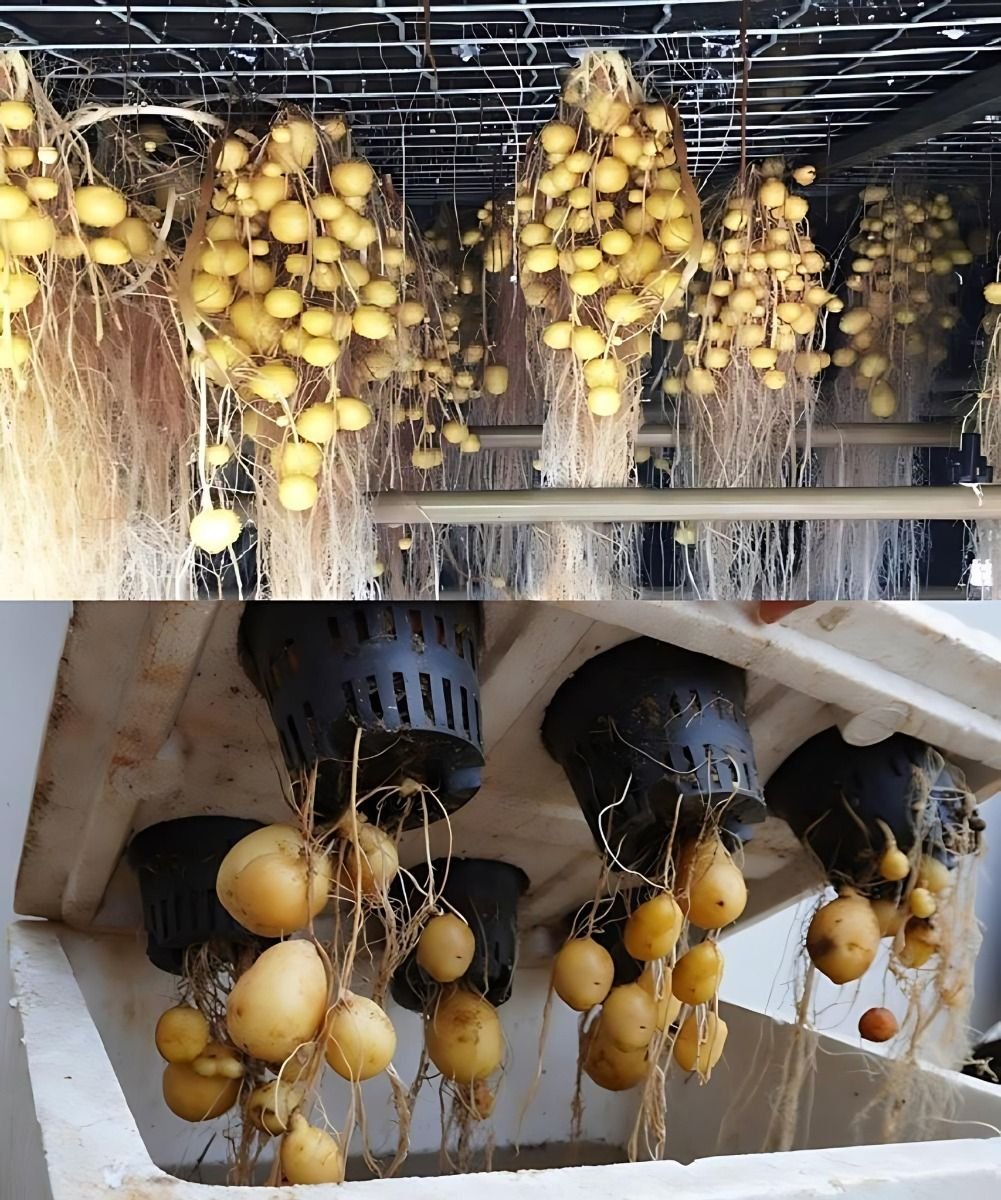
My Aquaponics Adventure in Seattle
So, there I was, sitting in my little backyard in Seattle, coffee in hand, on a particularly gray morning—one of those classic Seattle days where the clouds press low and heavy, and you can practically hear the ground sighing under the weight of it all. I’d been daydreaming about the idea of an aquaponics system. You know, the sweet union of raising fish and growing plants in symbiosis, like some magical, self-sustaining ecosystem right in my own backyard. How hard could it be?
The Big Idea
I’ve always had a penchant for digging into weird projects—not too surprising from a kid who used to build fortresses out of old boxes and blankets. So, I started browsing online, getting sucked into the mesmerizing world of aquaponics. Beautiful images of fish swimming among flourishing greens danced in my head. I envisioned basil and lettuce growing lush and vivid right beside shimmering tilapia. I’m a sucker for fresh produce, and being able to harvest it from my own home felt like a slice of paradise.
I decided I’d keep it simple. It turned out that simple was a relative term. I took stock of my tools: old plastic bins from last summer’s gardening escapade, a so-so submersible pump I salvaged from my father’s collection of half-broken tools (sorry, Dad), and a bunch of tubing that I probably had saved from a previous project. And then, of course, there were the fish. After some research, I ultimately decided on goldfish. They’re hardy, low-maintenance, and can handle less-than-ideal water conditions, or so I thought.
The First Steps
With determination surging through me, I gathered my materials and laid the foundation. I remember that day—I channeled my inner master builder as I lugged out the plastic bins and fashioned them into some semblance of a working system. I stuck the pump into one of the bins and attached a tube to it, figuring that water would flow upwards and trickle down to the grow bed. It sounded good in theory.
But when I flipped the switch, instead of a fountain of water, there was just… silence.
I recall vividly the smell of stagnant water wafting back toward me, mingling with the damp earth. To say I was frustrated is an understatement. I was knee-deep in this project, ready to embrace my green-thumbed destiny, and now, staring into a dead pump, I thought, “What have I done?”
The Bumps Along the Road
After some fiddling (and a fair amount of Googling), I discovered that the pump needed a bit of TLC. Who knew? It took me over an hour, mostly due to my stubbornness and inability to accept advice from the plethora of YouTube videos I had already consumed. But with the help of my trusty multitool and a few sharp words to myself, I finally resurrected the pump. It sprang to life, and water gurgled enthusiastically around me, splashing all over my shoes.
Then, I thought I’d nailed it, but life has its quirks, doesn’t it? Fast-forward a couple of weeks, and the once-clear water had turned a murky green. “Great,” I muttered while squinting at what had transformed from my dream setup into a glorified swamp. Turns out, algae loved my little fishy sanctuary just as much as I did. And there I was, seven coffee cups deep into existential debates over water quality, all while my goldfish swam happily unaware.
Thinking back, I had nearly given up at that point—especially after a couple of fish sadly met their untimely end. I had calculated the water parameters but just didn’t fully grasp the ecosystem’s balance. It was a tough pill to swallow, watching them float lifelessly, consider them a casualty in my grand aquaponic lark.
Amid the Chaos
But with every setback, I discovered little triumphs as well. I started growing some herbs—basil and mint—alternate little patches in my grow bed. The first time I plucked a few leaves was like finding hidden treasure! Against the backdrop of my aquaponic chaos, these fragrant herbs sang of life and success. I still remember that day; the sun finally broke through those typical Seattle clouds, painting everything in glorious light, and for just a moment, I forgot how chaotic my garden had begun.
Lessons Learned
I eventually figured out that balance between fish and plant life is more of an art than a science. The bacteria that convert fish waste into nutrients were a whole new world I didn’t entirely grasp at the onset. And while I still face challenges—like algae blooms that make my system look less like a calming oasis and more like a scene from a horror film—I’ve learned to embrace the chaos. Each setback became a lesson, each small plant that thrived became a beacon of hope and determination.
At this point, my little aquaponics setup might not resemble those immaculate Pinterest boards, but it’s mine, and it works (mostly). There’s still a lot to learn, but I’ve grown through this messy process.
Final Thoughts
If you’re sitting there with your own dreams of aquaponics or something utterly whimsical, here’s my heartfelt advice: don’t worry about getting it perfect. Just start. Things will go wrong—plants will wilt, fish will swim away to that great pond in the sky, and you’ll probably wonder why you thought this was a good idea in the first place. But trust me, you’ll figure it out.
So grab that coffee, gather your materials, and let your curiosity drive you forward. Dive into that messy, imperfect world of DIY adventures, and remember, no one’s journey unfolds like a fairytale.
And hey, if you’re ever curious or need a few laughs over your aquaponics adventures, join the next session. Let’s share our stories—quirky, chaotic, and utterly beautiful. Reserve your seat here!

Leave a Reply