
A Backyard Dream Gone Awry: My Aquaponics Adventure
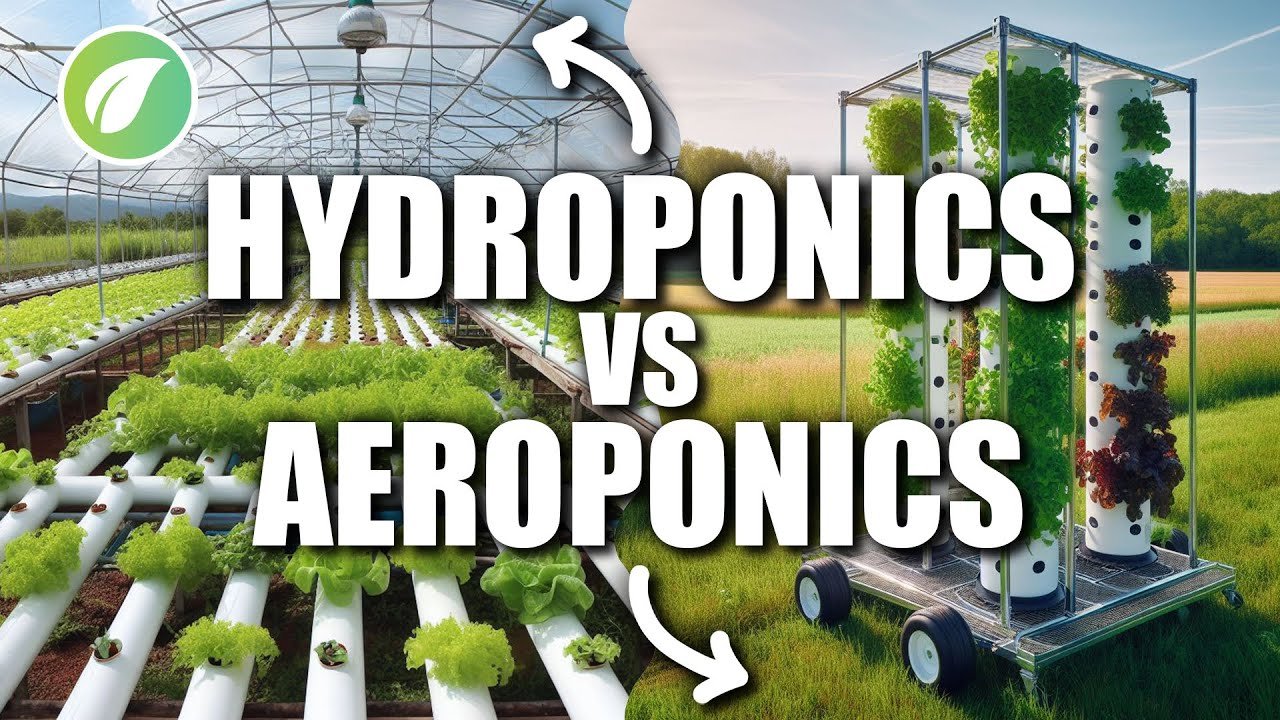
You know how it is in a small town: the sky seems a little bigger, and the time moves a tad slower. We’re always dreaming, chatting over coffee, and planning our next great idea. A few years back, I had one of those dreams—one that twinkled like the morning dew glistening on grass. I decided to dive headfirst into aquaponics. You know, the magical combo of hydroponics and fish farming. It sounded like the perfect blend of nature and technology.
At first, I was all pumped up. I thought, “How hard can it be?” I imagined fresh herbs from my backyard, fish swimming happily, and me sipping mint mojitos made from my very own garden. However, reality hit me faster than a cat chasing a mouse. While I had an idea, I was practically a novice—armed only with enthusiasm, a few YouTube videos, and some old tools from my shed that I hoped could help.
The Great Plan Begins
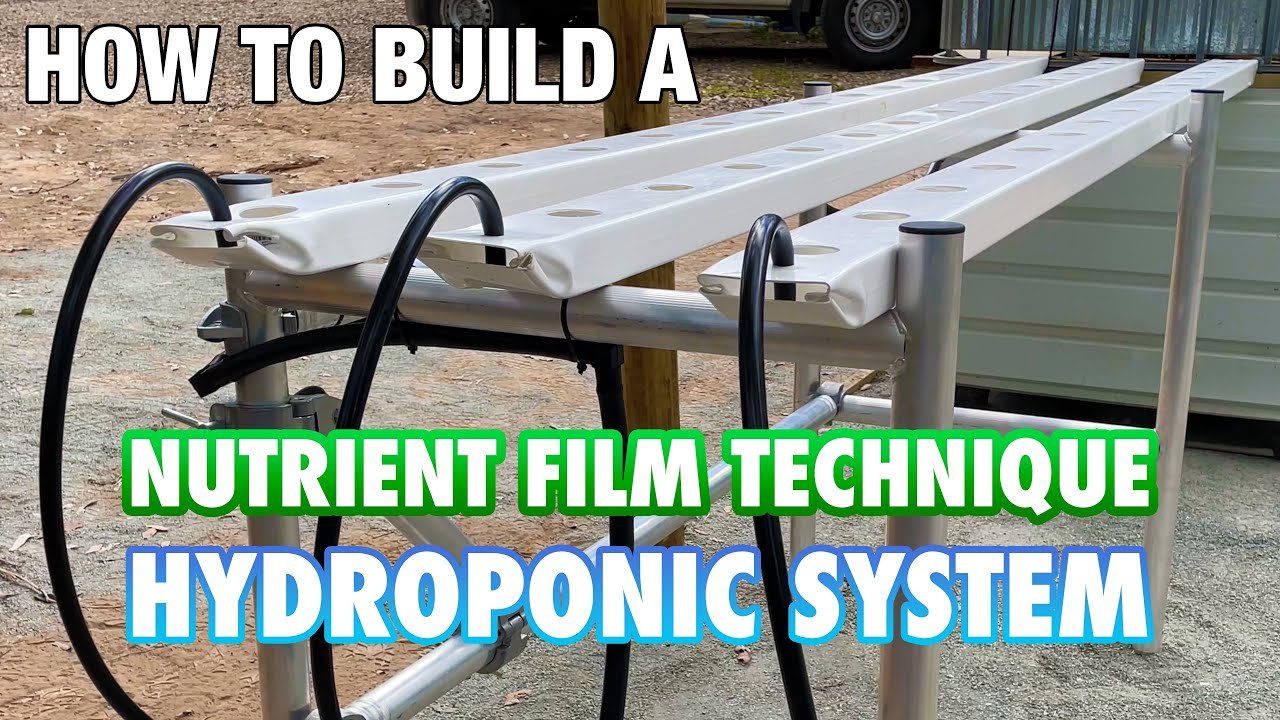
The plan was simple: a fish tank in the corner of my yard, some PVC pipes, and a few plants. I stumbled upon a bunch of old plastic bins during a cleanup in my shed—perfect! I was going to create a small ecosystem right there. But I soon realized I had underestimated a few key components, mainly how out of my depth I really was.
I started with local fish—a small batch of tilapia. I thought they’d be hardy enough for a rookie like me. My uncle had always joked about how tilapia could thrive on just about anything. Plus, they’re pretty easy to come by around here. With my fish and plants nestled in their new homes, I baptized my setup with great enthusiasm.
That first week was nothing short of intoxicating. I would pour coffee, gaze out the window, and marvel at the miracle I had created. That was until I noticed the water turning a suspicious shade of green. Panic set in. I thought I’d nailed it, but I was clearly missing something fundamental—like clean water.
Things Devolve Quickly
So, I waded into the muddy waters of internet forums and videos. I was met with a cocktail of advice and conflicting opinions. “Install an air pump!” someone said. “Use biofilters!” croaked another. Well, I had no clue what that was. I barely knew how to operate my garden hose some days.
After some wrestling with the old air pump I had dug out of the shed, I finally got things bubbling… and boy, did it smell. Fish mixed with stagnant water isn’t exactly a winning aroma. I almost gagged at the stench that seeped into my backyard. It was clear my grand fish paradise was becoming a mini swampscape.
I wrestled with pumps and made attempts to get water flowing, only to end up with leaks. One day, I was sitting there at my makeshift workbench, pondering why I’d gotten my wife’s garden hose tangled in my fishing net—there’s something embarrassing about that scene that still gives me shivers.
The Fishy Downfall
Then came the coup de grâce: my fish started to die. I’ll never forget it. I had fed them too much. Entranced by their little fishy faces, I might as well have rolled out a buffet for them. But overfeeding wasn’t my only sin; I didn’t cycle the water properly, leading to an ammonia spike.
One Sunday morning, I walked out to find two of my tilapia floating belly-up, bobbing around like sad little buoys. I nearly cried. I’d gotten attached—a connection forged through endless hours of work, sweat, and coffee-fueled hope. I thought about their little journey from the pet store to my backyard. What a cruel twist for these innocent fish!
Finding a Way Forward
Determined not to be beaten, I slapped my laptop open and started researching everything from nutrient management to water quality. I stumbled upon a local hydroponics store and decided to take a trip. Stepping into that store was like walking into Aladdin’s cave—rows of bright green plants, aquaponics kits, tools I hadn’t even dreamed of, and the smell of fresh soil. It felt electric, giving me hope.
Armed with new knowledge, I returned home and revamped everything. I tweaked my setup to include a proper filtration system, reconsidered my plant selection, and tried to get the water quality in check. The stench lifted a bit, and my enthusiasm reignited. Before long, I even managed to add some hardy herbs that flourished despite my previous mistakes. Basil became my best friend. It’s hard to mess up basil, right? Who knew something so simple could be so rewarding?
Lessons in the Rearview
Looking back, it became clear that the journey was worth it, despite all the head-scratching moments. Yes, I had fish die, and my yard smelled funky, but I learned more about ecosystems than I ever did in school. I learned about patience, resilience, and how to troubleshoot like a pro. There’s something raw and real about working with living things and recognizing when you’ve got it wrong.
I finally found happiness in my little mystery box of fish and plants—a flowing ecosystem where I could sip my mint mojitos, knowing I was nurturing life, however imperfectly.
Let‘s Build Together
So, if you’re sitting there wondering about diving into aquaponics, or hydroponics, or any garden venture really, don’t sweat it. It will probably be a hot mess at first, but the magic is in the learning. You’ll figure it out as you go. If I can turn a backyard nightmare of dead fish and green water into a little paradise, so can you.
Let’s keep that dream alive together—join the next session on aquaponics and be part of this wild journey. Reserve your seat!

Leave a Reply