

The Little Hydroponic Dream That Could
Growing up, my summers revolved around Grandma’s garden. Rows and rows of tomatoes, cucumbers, and herbs filled with memories and sweat. I remember the smell of freshly turned earth, the warmth of the sun on my back, and Grandma’s laughter as I tried (and often failed) not to step on her precious seedlings. Fast forward to a few years ago, I found myself sitting on my back porch sipping coffee, scrolling through Pinterest, and dreaming of something that combined my childhood love for gardening and a touch of science fiction—an aquaponics system.
The Pinterest Hole
You know how it is. One minute, you’re just casually browsing, and the next, you’re ten pages deep, surrounded by visions of lush greenery and fish gracefully swimming in recycled water. The thought of growing vegetables while raising fish seemed so romantic, so sustainable. It was almost like I could hear my Grandma’s voice saying, “Why not? Just give it a shot!”
With a little twinge of excitement and more than a hint of naivety, I started planning. I wanted to be that person—the one who could grow fresh basil and plump tilapia in their own backyard. It sounded straightforward enough. Soil-less growing with fish! What could possibly go wrong?
Building the Dream
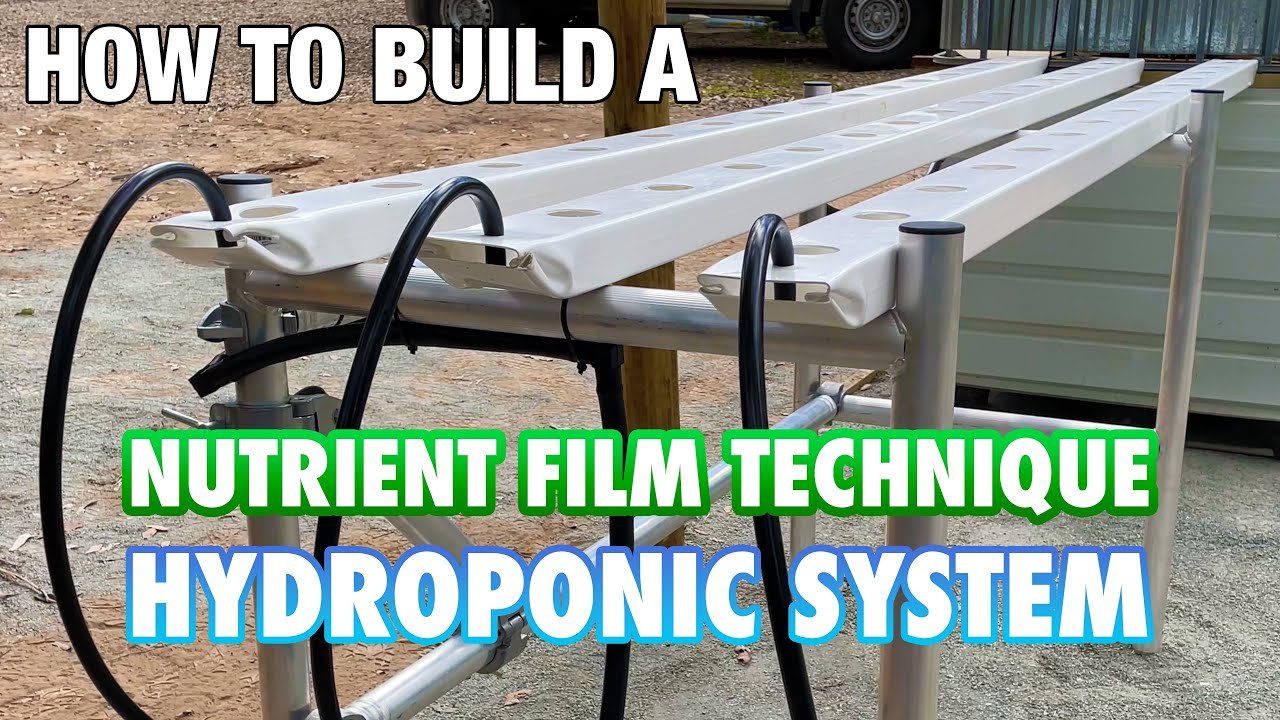
I headed to the local hardware store, armed with a somewhat vague idea and a mediocre understanding of what I needed. As I perused the aisles, I found a stack of PVC pipes. “Perfect!” I thought. I could use these to create a series of grow beds. I also picked up some pumps, a few fish nets, and a roll of plastic sheeting—probably too many things I didn’t even know I’d need. Over a few weekends, with my trusty toolbox and a few neighborhood kids (who were just as confused as I was), we fashioned a hodgepodge of a system in my backyard.
We made the bed out of an old plastic kiddie pool I found lying in the shed—it had been collecting leaves for months. I figured it was the perfect size for a few fish. The kids were full of high spirits, and I was riding a wave of optimism. I thought I’d nailed it when we hooked up the pump to cycle the water. As I watched it flow, I felt like a mad scientist.
The Fishy Encounter
Now, on the fish front, I had settled on tilapia. They seemed like the perfect choice—hardy, quick-growing, and well, kind of tasty too, if it came to that. But they also have a habit of being a little stinky. When I got them home, I dropped them into the kiddie pool-turned-fish tank and braced myself for success.
But then came the smell. It was a pungent sweetness mixed with something rather foul. I thought, “Oh god, is the water supposed to smell like this?” It turns out, the nitrogen cycle—which the internet had casually glossed over—wasn’t happening in my makeshift system. The ammonia levels soared, and within a week, my poor little tilapia were suffocating under a toxic blanket.
I lost a few fish after that; each one felt like a little failure weighing on my heart. Friends, I almost gave up. I didn’t want to mess around with water testing kits. I wanted to dive in and make it work, but it was becoming clear I was in way over my head.
The Green Horror
It didn’t take long for things to spiral—one day, I looked over at my once-pristine pool of water, and the green algae had taken over. It looked like a science project gone terribly wrong. Thick, slimy, and absolutely disgusting. I stood there, hands on my hips, just staring. At that moment, I considered whether inviting friends over for dinner was such a good idea. “Come over for dinner; you can enjoy my gorgeous hydroponic garden!”
I almost threw in the towel, but something inside urged me to keep tinkering. Maybe it was sheer stubbornness, or perhaps I didn’t want to admit failure. I dug deeper, diving into forums and YouTube videos, learning about the importance of balance in a system like this. And you know, the hiccups along the way didn’t just frustrate me; they taught me. I learned to compost, introduce beneficial bacteria, and create balance in my backyard ecosystem.
Finding a Rhythm
After months of trial and error, reading, and reformulating, I finally started getting the hang of things. The fish began to thrive, and with very careful monitoring, I managed to get my first crop of basil to sprout up tall and strong. It wasn’t perfect, but by golly, it was mine.
My friends were astonished when I invited them to dinner, featuring a dish of basil pesto made from my humble little garden. The fish weren’t on the table, but they were swimming happily in the tank underneath. As we laughed and munched on crusty bread, I felt proud—not just of the food, but of the journey.
The Takeaway
The whole experience was a mess, an absolute disaster at times. But every misstep became a stepping stone toward understanding, and every failure built my resilience. Gardening and aquaponics taught me about nature, patience, and the beauty of imperfection.
So if you’re sitting there, contemplating whether to embark on a wild project of your own, don’t hold back. Don’t worry about getting it perfect. Just dive in. Just start. You’ll figure it out along the way, and who knows—your backyard might just surprise you.
If you’re curious about how to cultivate your own tiny ecosystem or want to join the next session of this journey, reserve your seat here. Embrace the messy and the magical!

Leave a Reply