
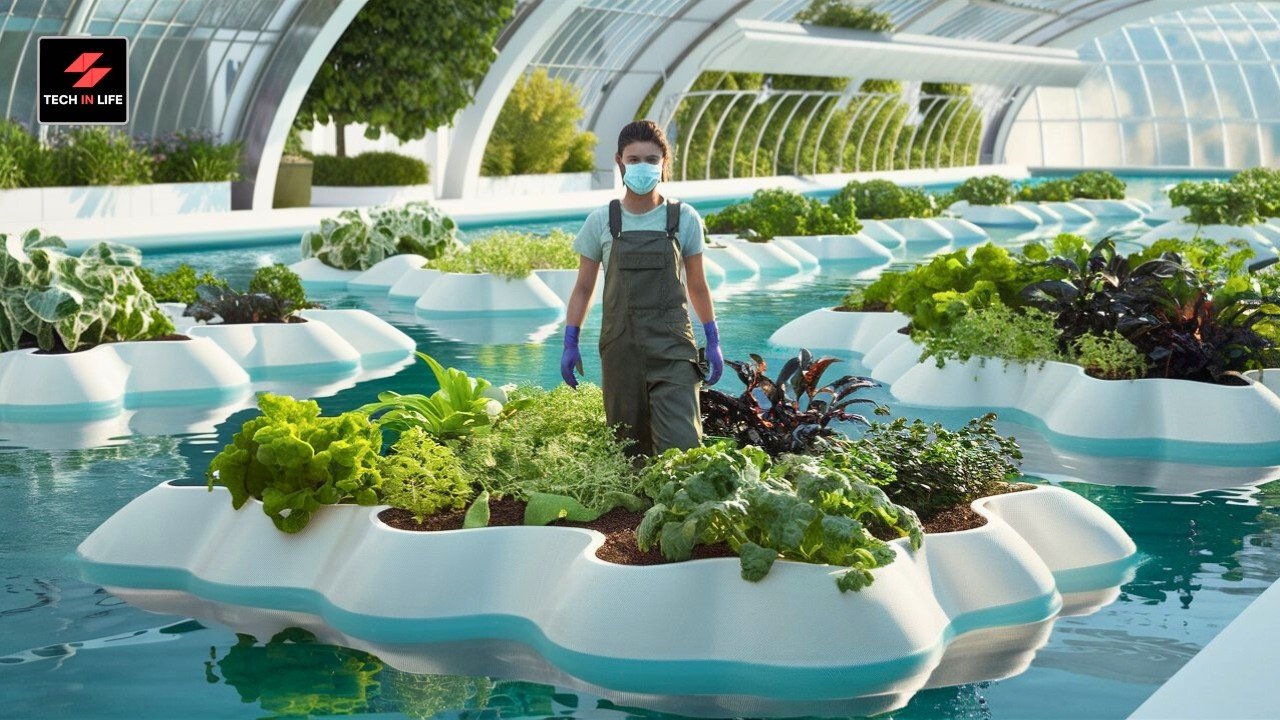
A Fishy Adventure in Hydroponics
So, there I was, sitting in my backyard one muggy summer afternoon, a cup of lukewarm coffee in hand, contemplating life—specifically, the life I could give a couple of fish and some plants if I could just get my aquaponics system to work. Honestly, I had this vision: lush basil growing above, fish swimming below, all while we lived harmoniously. Who knew I was about to embark on a journey that would challenge my patience, creativity, and a fair bit of sanity?
The Spark of Inspiration
It all started last spring. I casually flipped through some gardening magazines, and there it was—a bright, glossy page featuring an aquaponics setup. It looked so serene, so… organic. I thought, “How hard could it be?” The issue had hours of sunny afternoons and countless Instagram-worthy moments waiting for me. I had a big backyard and a good amount of tools lying around from previous failed projects—a treehouse that ended up as a glorified squirrel condo and a half-built shed that I still hadn’t finished painting.
After some YouTube deep-diving and internet rabbit holes—you know how those go—I figured it out: I could use my old 55-gallon drum (from a failed home brewery, no less), some PVC pipes I found in the shed, and a few plastic containers. I was all set. Right?
The Build Begins
Now, I am not a scientist, but I’ve always had a bit of a knack for tinkering. I grabbed some of those 3-inch PVC pipes and constructed a makeshift grow bed. The water was supposed to circulate from the fish tank through the pipes where the plants would grow and then return clean to the fish. Simple enough! At least, that’s what I thought until the clock pushed into twilight and I still had half the project to go.
When I finally filled the tank with water, I remember taking a cautious sniff. It wasn’t pleasant—more of a stale, muddy odor than the refreshing scent of a backyard oasis. I shrugged it off, thinking it would get better over time.
The Fish Factor
Then came the next big decision. What type of fish should I get? I decided on tilapia, thinking they were hardy and quick-growing while also ideal for the tropics of our small-town Georgia climate. I drove to a local aquaculture store and excitedly picked up four little guys. They were cute, almost like underwater puppies, and I named them Fluffy, Squishy, Mr. Bubbles, and Nibbles.
These fish were supposed to be my helpers, providing nutrients for the plants, but little did I know that was just the beginning of my steep learning curve.
Green Water Blues
Fast forward a few weeks, and I thought I had nailed it. The system was pumping nicely, and I was bursting with pride. Then, the water started turning green—like very green. I was frantically Googling, trying to understand if my system was living its best life or heading straight to fishy hell. Turns out, I had a bloom of algae. What I thought was a natural ecosystem was my backyard’s own version of a swamp.
“What do I do?!” I thought as I peered into the murky depths. Mr. Bubbles seemed to be enjoying his new algae-filled cocktail a bit too much, but the other fish just floated as if they were auditioning for “The Walking Dead: Underwater Edition.” I was inches away from throwing in the towel, frustration flaring hotter than a summer day.
A Bit of MacGyvering
Rather than give up, I figured I could salvage the situation. After rifling through my shed again, I found an old aquarium filter, a tangle of extension cords, and some aquarium lights that I had purchased years ago but never even opened. “Why not?” I thought, and set it all up with some duct tape and blind optimism.
I managed to get the filter running, and that was my first taste of victory in a while. The algae slowly started to recede, and my plants began to sprout. I even had this tiny little basil plant peeking out of the PVC. As for the fish? They seemed grateful, roaming about like they were in a five-star hotel rather than a recycled drum.
The Moral of the Fish Tale
So, what did I learn from this fishy escapade? Constantly adapt and rejoice in your mistakes. I’ve had fish come and go, plot twists that rival a soap opera, and plants that thrived in unexpected ways. The truths I uncovered weren’t written in any manual—they were soaked in sweat, laughter, and occasional tears.
Now, if you ever think about diving into an aquaponics setup or some similar project, take heart: perfection isn’t the goal. There’s beauty in the chaos of trial and error. Lose a few fish? Grow some weird-looking plants? Grainy green water? It’s all part of the experience. Embrace it! If you’re thinking about doing this, don’t worry about getting it perfect. Just start. You’ll figure it out as you go.
Join the next session to learn more about setting up your own hydroponics or aquaponics setup. It might be messy, but trust me, it’s an adventure! Reserve your seat here.
Cheers to watering your dreams, one fish at a time!

Leave a Reply