
The Great Backyard Experiment: My Adventure in Hydroponic Lettuce
Ah, winter in our little town—there’s a certain charm to the crisp air and snow drifts, but after a while, I started missing the greens. Eventually, my craving for fresh lettuce grew into something I just had to chase down. One coffee-fueled Saturday morning, I thought: why not try growing my own?
So, in a moment of both inspiration and madness, I decided to build an aquaponics system in my backyard.
The First Steps
Being a DIY enthusiast, I rummaged through my shed, half-embracing the chaos of discarded tools and forgotten projects. I pulled out an old plastic tub—moldy in spots but still intact—and some scrap wood. The plan was pretty straightforward in my mind: lettuce on top, fish below. I had read that tilapia were a good fish to start with. They’re hardy and generally forgiving. Plus, I thought they sounded cool. Little did I know, this simple choice would come with a hefty dose of learning.
I religiously measured out how many fish I could keep in the tub. “So, if each fish needs about two gallons of water, and I have fifty gallons…,” I mumbled to myself while scribbling calculations on the back of a grocery receipt.
Didn’t take long for reality to hit me. After a trip to the local feed store, I came home with a plastic bag of fish, my companions for this green dream. I thought I nailed it, but nothing prepared me for what came next.
Fish and Funk
I set everything up—water filtration, pump, you name it—feeling like a mad scientist. After running everything for a few days, I noticed something wasn’t quite right. The smell hit me like a freight train. I had expected the fresh smell of nature, but this was something else: a bizarre mix of pond and rotten eggs.
I panicked. Did I kill the fish already? Were they dying from some unseen malady? I couldn’t let that happen. I hurriedly Googled "aquaponics odor control," finger hovering over the “purchase” button for some pH drops. Then it hit me—I hadn’t even checked the ammonia levels! I felt embarrassingly naïve, as if I was still in my middle school science class.
My intuition said I just didn’t have the hang of this yet. I scrambled to gather supplies: a water testing kit, more tubing, anything I could salvage from the shed.
The Green Monster
Things started to settle a bit, yet my greens were nowhere close to growing. In fact, the water looked like a Slurpee explosion—green, cloudy, and… well, disgusting. I stared, utterly baffled. The algae? I had thought it would be simple to avoid. It was supposed to be a garden, not a swamp.
Frustration seeped into my veins. “Why did I think aquaponics was a good idea?” I thought. I stood there, almost ready to give up, until I remembered why I started this in the first place. A bit of grit was necessary.
I set up a light to try and help the lettuce along. I dug out some cheap LED bulbs I had initially bought for Christmas lights. It was a slap-happy assembly, wires and fittings all over the place, but at least it looked ghetto cool, right?
Trial and Error
Soon enough, I learned the ropes along with timing. I tinkered during the evenings, adjusting pumps, testing pH levels, and fighting off that pesky algae. After several weeks of back-and-forth, my fish seemed solid, totally unfazed by my amateur theatrics. The tilapia had grown, and it looked like the system was finally starting to balance. The realization struck me: I had to find the right nutrient formula—not just for lettuce, but somehow for life itself.
I finally discovered that the nutrient balance was imperative—too much nitrogen from the fish waste, and not enough phosphorus for the lettuce, and I was left with a jungle of greens that wouldn’t grow. I attempted a homemade nutrient formula, initially cobbled together from what I could find about hydroponics. To be honest, it felt like a culinary experiment gone wrong.
The Reward
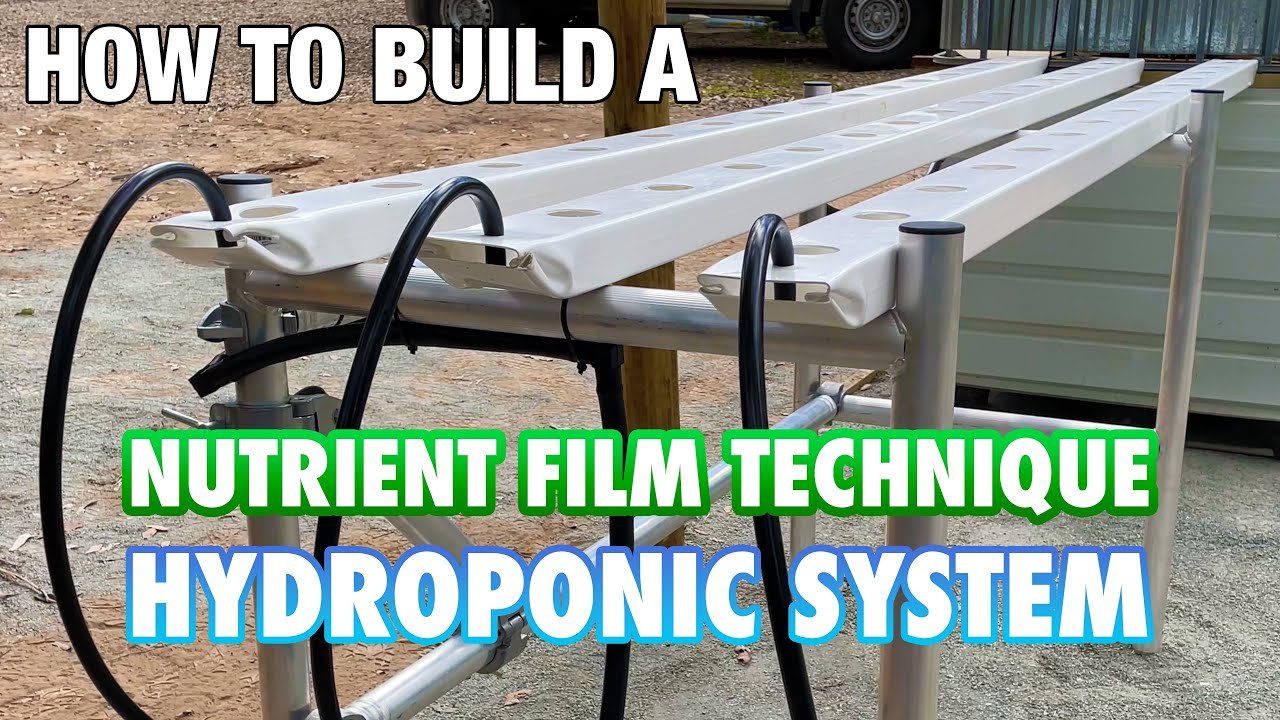
But then, just when I was ready to throw in the towel, I noticed a tiny sprout poking its head above the nutrient film, followed by companions who decided to join the party. Little by little, they all grew sturdy and bold, unfurling into the crisp lettuce leaves I had longed for.
Hours spent troubleshooting the fish pump, figuring out why the water was cloudy, and trying to keep those tilapia alive were finally paying off.
Lessons Learned
As I munched on that first salad, I couldn’t help but feel a swell of pride—a reward beyond what I could’ve imagined. The weirdest part was the happiness in my victories. I may have lost a few fish along the way and dealt with the peculiar smells of a mini-ecosystem, but each lesson was more fulfilling than any online article could have prepped me for.
You know, if you’re inspired to build your own little corner of greens and life, don’t sweat the mistakes. Just embrace the madness of it all! The aubergine water smell, the uncertainty of whether your fish are thriving or just plotting against you—it’s all part of the mess.
So, get out there. Start your journey into hydroponics or aquaponics—or simply remind yourself that it’s okay to stumble. Rich soil isn’t found without some sweat, and who knows? You might just grow something beautiful—even in the chaos of your own backyard.
If you’re thinking about doing this, don’t worry about getting it perfect. Just start. You’ll figure it out as you go.
If you want to join me on this wild ride and turn your backyard into a green paradise, reserve your spot for the next session here.

Leave a Reply