
Fishy Business: My Aquaponics Adventure
If you’d told me a few years ago that I’d be sitting in my backyard trying to design an aquaponics system, I would have laughed in your face. But here we are, a small town in the Midwest, with a garage full of tools, a half-dead plant or two on the patio, and a bright-eyed vision of growing my own food and raising fish in a magical self-sustaining ecosystem. What could possibly go wrong?
Diving In
It all started one rainy afternoon when I stumbled across a YouTube video featuring a guy in California who built a functioning aquaponics system from junkyard scraps. My heart raced—what if I could create something that would transform my little backyard into a mini farm? It was a spark, and I spent the next week scavenging around my property, dusting off tools that I hadn’t touched in years.
My dad had this old plastic barrel in the shed—sun-faded and cracked towards the bottom. Perfect for a fish tank, I thought (not that I consulted any experts!). I could just see myself with my hands in the dirt, a beaming smile, a few leafy greens harvested every day. So, I wheeled it out, cleaned it up (kind of), and started Googling fish options.
Fish and Regret
I decided on goldfish—a sensible choice, I thought. The local pet store had a deal: “Buy one, get two free!” Three cents a piece. Perfect. Except when I got home, I realized my “beautiful fish tank” was way more like a colorful cesspool than an inspiring aquaponics paradise. Within days, I was greeted by the smell of stagnant water that I had naively convinced myself would smell like nature. Instead, it was more like that time I left leftovers in the fridge for too long.
The flourishing mound of water lettuce I had set up sprouted beautifully for about a week until one morning, I went out to find the water a shocking shade of green. I almost wept. It was as if Mother Nature herself had waved a giant middle finger at my ignorance.
A Fishy Pumping Problem
After some online research, I focused on the "pump." It was supposed to be my friend, the magic that would circulate the water. I found an old submersible pump from a fish fountain my grandma used to have. It looked promising, but when I plugged it in, the motor grunted and wheezed like my old lawnmower. Oh, fantastic, I thought. I had turned my backyard into an expensive fish water feature without any fish.
So there I was, knee-deep in trying to figure out why the water wouldn’t cycle. My buddy Jeff came over, probably out of curiosity more than anything, and asked if I’d ever seen green water outside a kiddie pool. “Nope,” I muttered, feeling a little embarrassed. He offered me some advice, but I could tell he was trying really hard not to laugh at my grand failure.
I eventually cracked the code, and just when I thought I was finally on the upswing, I walked outside one morning, coffee in hand, ready to check on my latest aquaponics setup, and saw my bluegill—floppy and lifeless at the bottom of the tank. There was no way to prepare for that sinking feeling, like I’d thrown money and effort straight into the black abyss of the ol’ fish tank.
Things That Go Bump in the Night
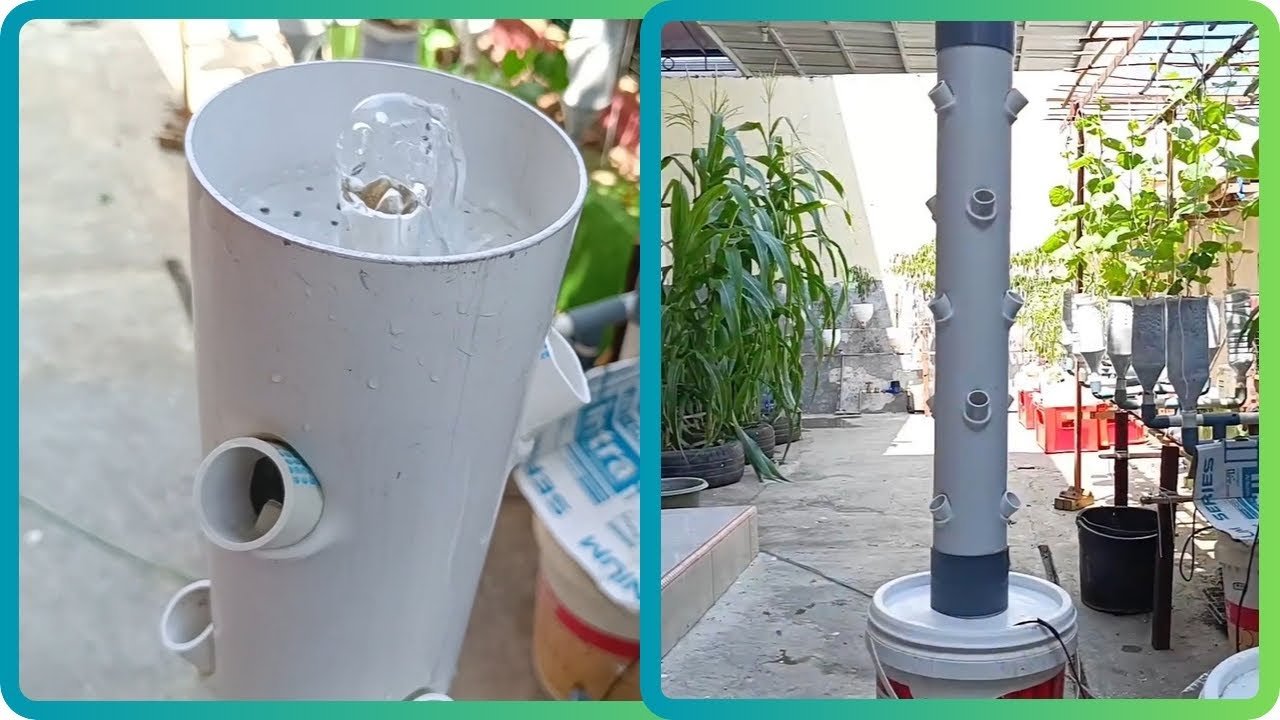
Now, don’t get me wrong; I wasn’t going to be beaten by a couple of algae blooms and some dead fish. I turned my focus to building a better hydroponic setup. I found some PVC pipes lying against the garage wall and thought, “Why not use these for deeper channels?” The thrill of repurposing stuff ignited my DIY spirit.
I worked into the night, a headlamp strapped on, cutting things with a jigsaw, cursing under my breath when I realized I sliced a pipe too short. I could hear the crickets outside, almost taunting me: “You just can’t quit, can you?” Somehow, that made me laugh.
Patience and Learning
Eventually, I figured out that an aeration stone was crucial for keeping the water oxygenated enough for my fish buddies. I bit the bullet and ordered one online—my very own lifeboat! It wasn’t cheap, but it came with a promise of life. You know, like the vision I had when I first started this aquatic journey.
I put the aeration stone in, and my fish perked up—like they were cheering for me. Gradually, the water cleared, and I’d go outside each morning to inspect my “planting stations.” My kale began to grow better than I ever expected, making me feel like a proud parent. I mean, I was a proud parent—with a stick of kale in one hand and a bucket of fish food in the other.
The Takeaway
So, here I am, sitting and sipping this cup of coffee, looking over the backyard at what it has become—a bizarre mix of successes and headaches, but mostly lessons learned. Sure, I had my ups and downs, fish floating on the surface and plants wilting like sad puppies. The truth is, I almost gave up more times than I can count, but the occasional sprout, the flick of a fish tail, kept me going.
If you’re thinking about diving into the world of hydropics or aquaponics, don’t let the fear of failure stop you. You’re going to mess up—oh, you have no idea how many ways there are to mess up—but you can also learn and adapt in ways you never imagined. Just start. You’ll figure it out as you go, and before long, you’ll find yourself sipping coffee in a garden you’ve built with your own two hands, grateful for the journey that brought you here.
And if you’re looking for more inspiration on your own journey, join the next session here. You won’t regret a single floating fish or wilted leaf—trust me.





Leave a Reply