

The Little Hydroponic That Could: A Backyard Adventure
You know, there’s something almost whimsical about the idea of growing your own food in the middle of a sleepy little town. It starts as just a thought, a friendly nudge toward something that feels a bit adventurous. Like many who dwell in the quiet corners of America, I found myself wanting to break the monotony, kick-start a little green revolution right there in my backyard. The problem? I decided to jump right into aquaponics—without a clue what I was getting into.
The Inspiration Strikes
It all started when I flipped through a gardening magazine during an unusually rainy weekend. There it was, a photo of an aquaponics system that looked like something from a sci-fi flick—plants growing vibrantly, fish swimming peacefully beneath. I thought, “I can do this!” And that’s when a spark ignited. I wanted to create a mini-hydroponics setup to grow my own herbs and veggies, and maybe, just maybe, throw in a few fish for good measure.
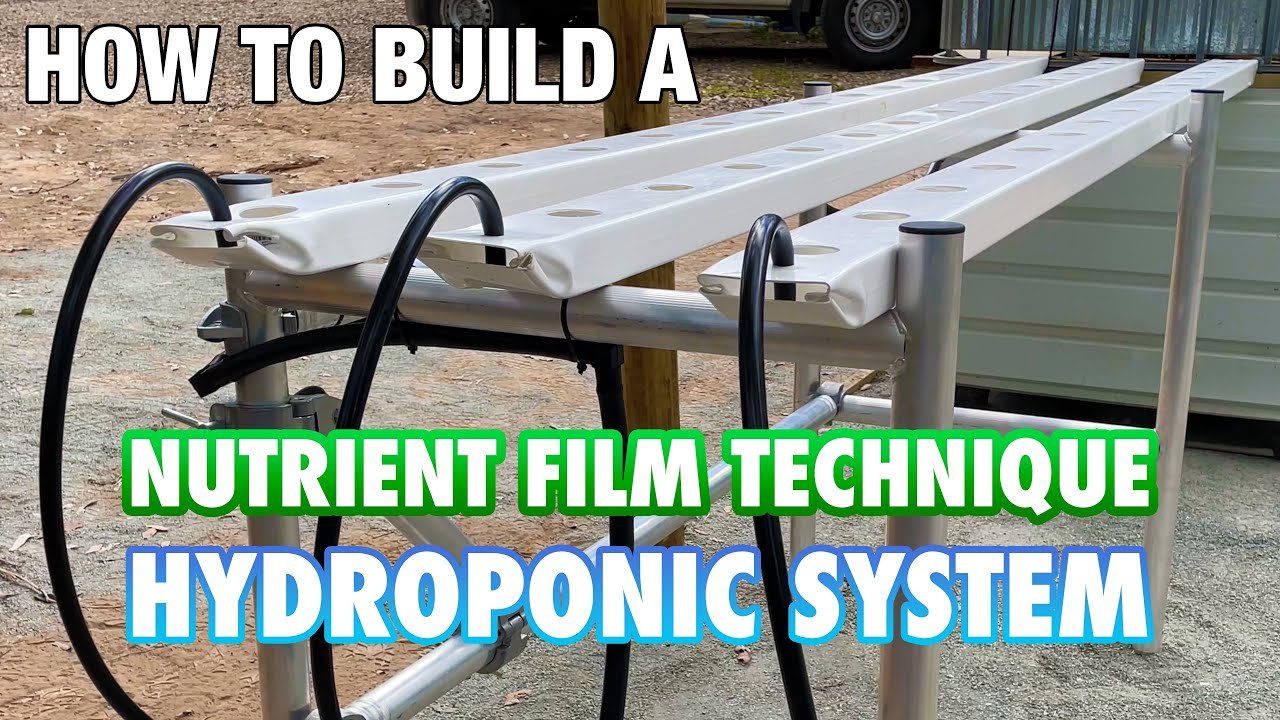
Early spring felt like an appropriate time to get started. I rummaged through my shed, pulling out old PVC pipes from a long-forgotten plumbing project and some black plastic bins that once housed God knows what. The absolute joy of repurposing materials I thought I’d never touch again was intoxicating.
Getting the Pump Up and Running
Now, I’ll tell you, I imagined a grand setup with gleaming parts and bountiful harvests. But reality struck hard when I threw caution to the wind and decided on a pump from the local hardware store. It felt sturdy, and I convinced myself that it would be my trusty sidekick. Knowing that I’d have to keep the water flowing both for the fish and the plants, I tinkered with it like a proud parent, flipping switches and pouring over exceedingly vague instructions.
About two days in, I nearly lost it. The pump sputtered, the water stopped flowing, and I was left staring at a murky pond in my backyard with zero chlorophyll in sight. Foolishly, I might add, I changed the pump three times, each time convinced that the next one would be the “perfect” fit.
Still, I pressed on, envisioning a vibrant herb garden to accompany my culinary adventures. I opted for basil, cilantro, and some fancy heirloom tomatoes I’d seen in that magazine, ready to channel my inner Gordon Ramsay. How hard could it be?
Challenges Unfolding Like a Bad Soap Opera
So now, you might think I was just on my way to a lush indoor garden. But lo and behold, a few days later, my excitement spiraled into despair when I noticed an alarming odor wafting from the tanks. Picture, if you will, an old fish market left out on a hot day—that’s the smell I was dealing with. Fish, to no one’s surprise, do rotten things once they start to die, and die they did. Five lovely little goldfish I picked out on a whim had vanished, one by one, leaving sad little ripples on the water surface.
With each fish funeral, I learned something new: oxygen levels, pH balance, nitrates. It felt like I was back in high school science class, but this time I was far too invested. Was it stress from the new environment? Maybe I overstocked the tank? You could say I was leaning toward overly enthusiastic and severely under-informed.
A Revelation In the Thick of Frustration
After some online sleuthing and several local forums, I learned about beneficial bacteria—those little microorganisms eager to convert fish waste into plant food. I bet you wouldn’t have guessed that fish poop could be the gold nugget in this whole endeavor! I stumbled upon the concept of cycling the tank and gradually started understanding the bizarre ecosystem I was trying to build. Lesson learned, somewhat bitterly, as I realized my plants needed this balance too, and I’d been diving in headfirst without some sort of onboarding to this strange fish-plant partnership.
And then it hit me—what if I turned this into a project I could share with my kids? They were eager to learn, always poking their heads into what I was doing in the garage anyway. Together, we built a prototype system to house our future fish, complete with gravel beds and water pumps (that actually worked this time, thank you very much), giving us all something to look forward to.
The Green That Grew
Miraculously, some sprouts did take root. Much to my shock, the tomatoes flourished while my remaining fish swam with a newfound vigor. There’s something incredibly fulfilling about seeing growth that you nurtured; it’s like witnessing a small miracle unfold in your backyard. Believe me when I say, watching that little basil plant stretch toward the sun felt like an achievement worth every headache.
After all the struggles, frustrations, and dead fish, I learned that progress doesn’t always come in a straight line. Sometimes, it veers off into the weeds; sometimes it dies. More importantly, at that moment, I realized that growing things—whether they sprout out of the earth or swim through a tank—requires patience and plenty of trial and error.
A Culmination of Hope
Now, I sit here with a steaming cup of coffee, looking out at my mini-hydroponic setup while pondering the whole journey. If you’re thinking about trying something like this, take it from someone who went through the wringer: don’t let the fear of failure hold you back. You’ll undoubtedly stumble over a few hurdles, but that’s part of the adventure. Just start. Dive in and let curiosity lead you. You’ll figure it out along the way, and perhaps you’ll not only grow food but something beautiful within yourself too.
And hey, if you’re inspired to tackle your own hydroponics project, let’s embark together! Join our next session; it might just spark a green revolution in your own backyard! Join here!

Leave a Reply