
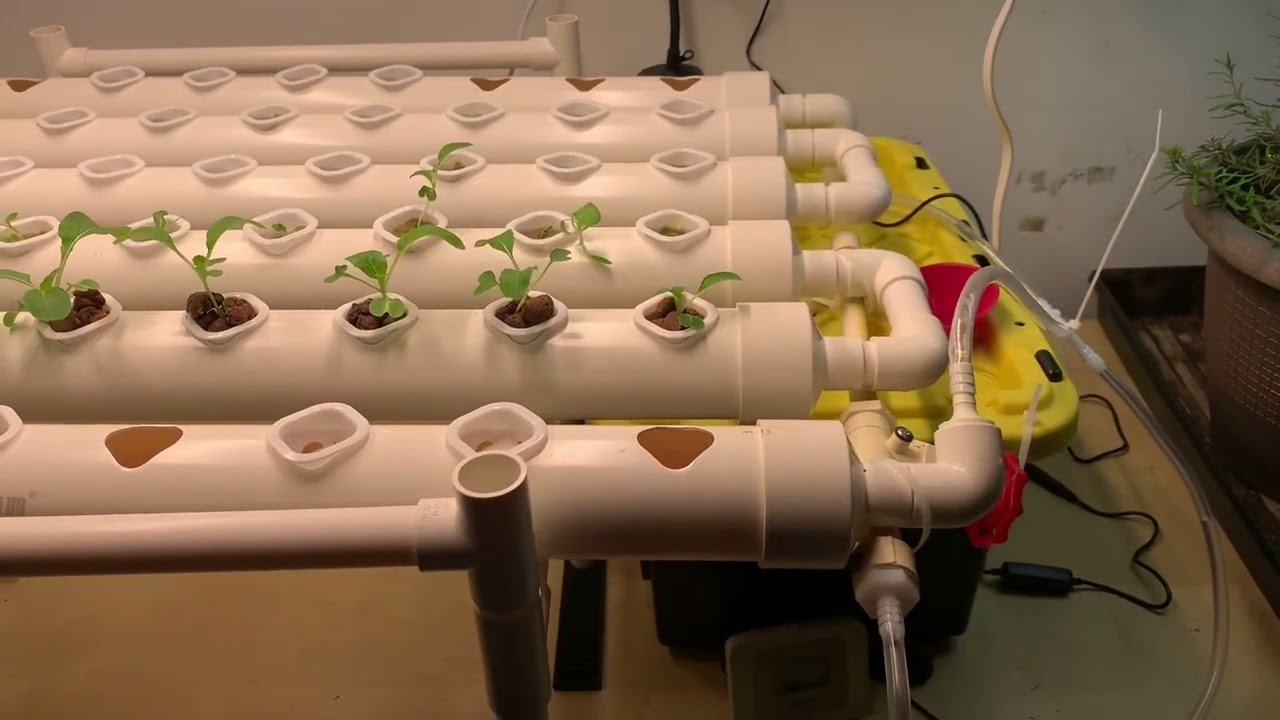
Navigating the Waters of Hydroponics: My Aquaponics Adventure
You might think that living in a small town gives you a break from the chaos of the big city. It does, mostly. But I’m here to tell you that sometimes the chaos finds its way into your backyard—especially when you decide to embark on an aquaponics adventure.
It all started one lazy Saturday morning. I was sipping my coffee and scrolling through videos on the internet, where the sun was just rising over the treetops, painting everything golden. I stumbled across a video of a fellow who had created this beautiful aquaponics system. Fish and plants coexisting in a blissful ecosystem! I thought, “Hey, how hard could that be?” Spoiler alert: it was a lot harder than I anticipated.
The Setup
With a heart full of dreams and a head brimming with DIY plans, I decided to get started. After a trip to the local hardware store, I had buckets, pipes, a small sump pump, and a few other odds and ends that would make any blue-collar soul proud. I’d seen others use a range of materials, but I figured, “Why not repurpose some stuff from my shed?” So, I dug out some old wooden pallets and a couple of windows my dad saved from a home renovation job.
I thought I’d nailed it, you know? I set those pallets up against the fence, with one side higher than the other to let the water trickle down. I could almost hear the applause from my non-existent audience.
I’d also picked out some tilapia at the local fish shop. I chose them partly because they sounded exotic and partly because they were supposedly hard to kill. (Side note: they’re not quite as indestructible as people make them out to be.)
The First Signs of Trouble
With everything in place, I filled the tubing with water and plugged in the pump. The moment I saw the water start to swirl through my makeshift system, I felt like a god of aquaponics. The air was damp, and I remember some faint, earthy smells wafting up from my little kingdom.
But the magic didn’t last long.
A few days into my project, I noticed the water had started to change. Instead of a crisp, clear liquid, it was turning an unsettling shade of green. Algae! Of course, I had that sinking feeling—the kind that tells you that everything is about to start going south. I learned quickly that keeping the water still lets the algae thrive, and so began my battle.
The Fishy Drama
To add to my woes, the first batch of tilapia I brought home? Well, let’s just say they didn’t last long. A couple of them died within days. I remember standing over that tank thinking, “What am I doing wrong?” My heart sank further when I realized that the water temperature was fluctuating too wildly. I had to monitor everything constantly—pH levels, temperature, oxygen content. It felt like I was juggling flaming torches.
In retrospect, a simple aquarium heater could’ve saved me so much heartache. But where’s the fun in that? I had to learn the hard way.
I pulled out my phone and scoured the depths of an internet forum for answers. It was a blessing and a curse, let me tell you. Some folks were super helpful, while others made it sound like I was single-handedly attempting to reverse climate change with my backyard setup.
An Unexpected Upswing
At some point, I had a breakthrough. Once I learned to stabilize the water conditions, my second batch of tilapia decided they liked me after all! I began to feel a sense of pride when they swam happily around their tank.
I also planted some basil and lettuce in a few of those old cat litter boxes I’d repurposed as planters. Surprisingly, the plants seemed to thrive. The first time I pinched off a few basil leaves for a caprese salad, I felt like a proud parent. I remember thinking, “I’m feeding my family from my own backyard!”
The Scent of Success
There was something earthy and calming about it all—the scent of fresh basil mixed with that warm, fishy odor. I had created, against all odds, this little ecosystem that felt vibrant and alive.
Don’t get me wrong, I had my setbacks along the way. There were harrowing moments when I thought of pulling out the whole setup in frustration. But there’s something incredibly rewarding about nurturing a living system.
Reflecting on the Journey
Now, months later, sitting in my yard with a cup of coffee, I often find myself chuckling at those early days. It was messy, and I made loads of mistakes, but it was also a learning experience like no other.
Aquaponics taught me about patience, and the importance of perseverance. It felt raw and real, a personal journey into uncharted waters that reminded me of how rewarding it can be to try, even when things go awry.
Takeaway
So, if you’re even remotely considering jumping into aquaponics—or any DIY project, really—don’t stress too much about getting it perfect. You’ll stumble, you’ll succeed, and you’ll eventually figure it out as you go. Just start!
And if you want to take your own leap into this world, join the next session of our Hydroponics Workshop. We’ll guide you through it all, so you don’t have to go it alone. Reserve your spot here!

Leave a Reply