
Growing Tomatoes in My Backyard: The Aquaponics Adventure
There’s something about a rainy Saturday morning that makes you just feel productive. You get that little spark of motivation, imagining all the things you could accomplish if only the world outside didn’t seem so dreary. One Saturday, coffee cup in hand, I decided it was high time to finally start that aquaponics system. You know, the one I’d read about online where fish and plants exist in perfect harmony? Well, let me tell you, it wasn’t as simple as it sounded.
The Dream Begins
I’d always wanted to grow my own tomatoes. Those juicy, vine-ripened beauties that you slice for a sandwich or toss into a salad. But with the limited space and sunlight in my small backyard, regular gardening was going to be a challenge. Aquaponics seemed perfect—plants growing in nutrient-rich water with fish providing the food! I was practically salivating at the thought of it.
As any DIY-er knows, the best projects start with a rummage through the shed. I uncovered an old kiddie pool leftover from last summer’s family barbecue. Perfect! It had been sitting there, lonely, and I figured it could be a great fish tank. I could practically hear my dad’s voice in my head: “Use what you have!” It was like a magical moment from a home improvement show.
All the Parts You Never Knew You Needed
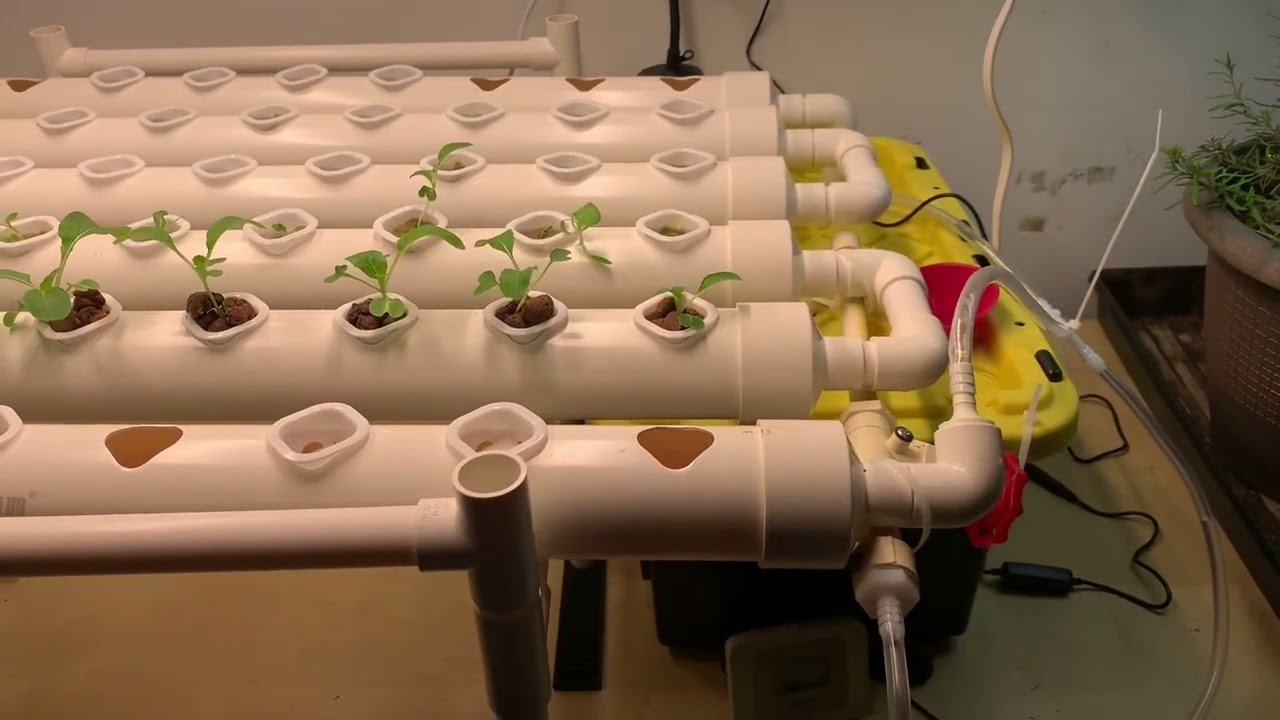
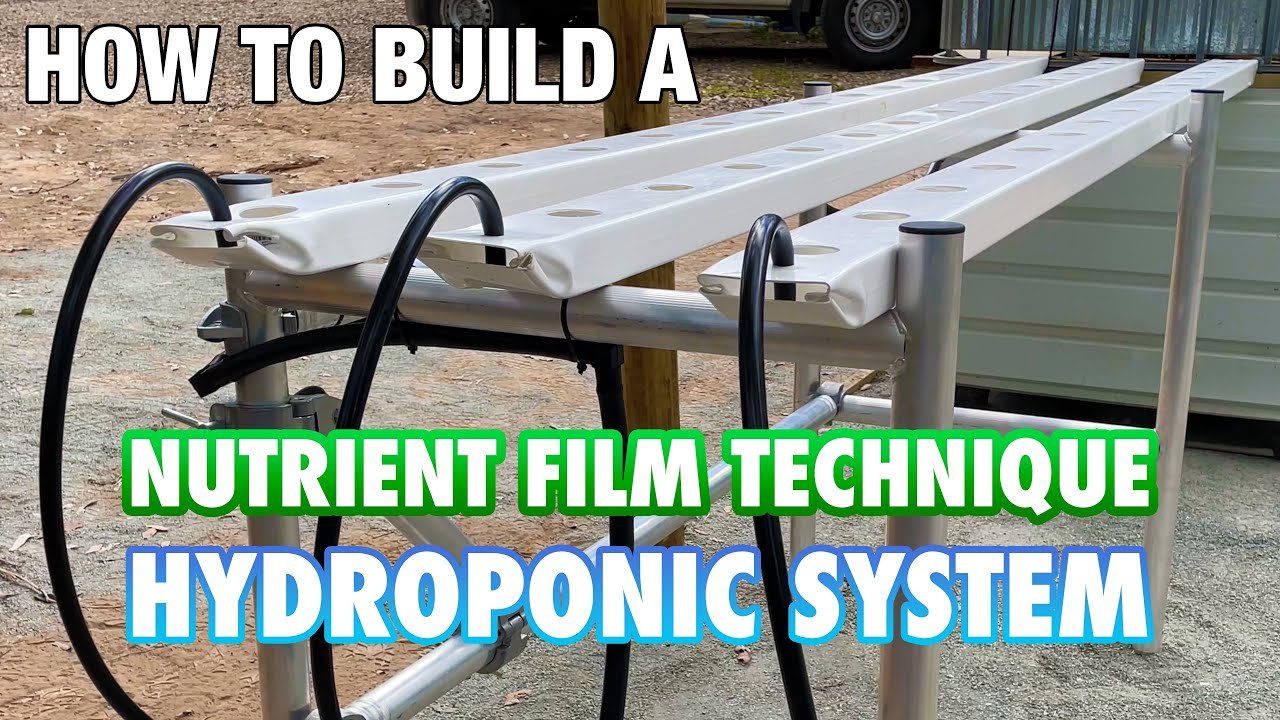
Next up, I ran to the local hardware store. The good old guys there gave me some curious looks when I explained my plan. “Aquaponics? With a kiddie pool?” I could tell they didn’t quite get it, but I wasn’t going to let that deter me. I grabbed some PVC pipes to build the grow beds and a submersible pump—because who doesn’t love a good splash of water to make things feel like a real project?
That’s when I learned my first lesson: Always check the specifications of your pump before you leave the store. I thought I had it figured out; I was all set for maximum performance! But let’s just say, the water flow looked more like a sad trickle than a vibrant waterfall.
Setting It Up — Or Trying To
After what felt like hours of wrestling with pipes and fittings, I finally got everything set up. It was a rickety and somewhat chaotic assemblage of makeshift solutions, but in my eyes, it was a work of art. I tapped into that stubborn sense of pride that comes only after a full day of back-breaking labor. My wife looked at me kinda sideways, but I smiled and promised her a fresh tomato salad in a few months.
I chose tilapia as the fish because I’d read they were hardy and relatively easy to manage. You can find them at the local fish shop, but let me tell you, when I brought them home, I felt like I was adopting puppies. They swam around in their new home looking all cute and vibrant until I noticed the water starting to smell… not good.
When Things Go Wrong
That’s when I nearly lost my mind. I read somewhere that fish tanks should have good filtration but didn’t really pay attention to the details. Suddenly, that little kiddie pool turned into a swampy mess. I thought I’d nailed it, but then the water started turning green—algae, in case you’re wondering.
I remember standing there with my head in my hands thinking, “What have I done?” It was a classic DIY moment. To make matters worse, one morning I found two fish floating—absolutely devastating. I was ready to throw in the towel, let me tell you.
Then came a revelation: Sometimes, you just need to slow down and figure things out rather than jumping ahead. After all, I didn’t go into this expecting a perfect system right out of the gate. In hindsight, using a better filter would have helped, but more importantly, knowing and nurturing the ecosystem was key.
The Reward
With trial and error, the system started stabilizing, and slowly but surely, my tomato plants began to grow. Buds appeared, and soon, there were bright green tomatoes peeking through the leaves like little treasures waiting to be found. I actually giddily danced around the backyard at one point. The eco-balance seemed to be shifting in my favor!
That summer ended with juicy tomatoes that tasted nothing like those store-bought ones. Every bite was a mix of all the sweat and love that went into the project. We tossed them in salads, sliced them on burgers, and even made homemade salsa. One evening, sitting on my porch, my wife and I watched the sun set, and I couldn’t help but beam with pride.
The Real Takeaway
So, if you’re thinking about starting something like this yourself—don’t let the fear of failure stop you. It’s okay to mess up. The water might smell bad, the fish might not survive, and yes, your DIY project will most likely look like a scene from a science experiment gone wrong. But in those messes, there are moments that will teach you more than any manual ever could.
If you’re inspired to dive into this watery adventure, just start. You’ll learn and figure it out as you go.
And who knows—maybe someday you’ll be sharing your own tomato salad recipe over coffee too.
If you’re ready to take the plunge, join our next session and reserve your seat for a deeper insight into aquaponics! It’s going to be a fun ride! Reserve your seat here!.

Leave a Reply