
The Aquaponics Adventure: A Tale from My Backyard
So, there I was one sunny Saturday morning in my small-town garden, sipping my favorite black coffee, staring down at the old pile of junk I had gathered for my grand aquaponics project. The light streamed in just right, and in my mind, I could already picture the lush greenery of tomatoes, leafy greens, and the gentle currents of water flowing through my homemade system, teeming with vibrant fish.
Let me backtrack for a moment. Aquaponics. It sounded so grand, like I’d stepped into a modern-day Eden. It’s the art of combining fish with plants in a symbiotic environment. I had read about it online, watched a dozen YouTube videos, and was convinced this was going to be my ticket to fresh veggies without the hassle of traditional gardening. Problem was, I had more enthusiasm than know-how.
Planning and Gathering Materials
With a burst of energy, I rolled up my sleeves. I raided my shed, armed with an old fish tank I had saved from when my daughter had long-ago outgrown her goldfish fascination. Next, I stumbled upon a discarded wooden pallet, which I thought could make a good frame for my setup. A trip to the local hardware store netted me a small water pump, some tubing, and a few buckets — all in the name of science.
I had grand visions. My fish of choice? Goldfish. They’re hardy, right? Plus, my daughter always loved them. I thought, how hard could it be?
The Setup
Creating the system was somehow equal parts enjoyable and infuriating. I felt like an amateur inventor. I remember meticulously setting up the water pump, talking to myself as I threaded the tubing painstakingly around edges and corners. I got the fish tank positioned on a rickety old table in the corner of the backyard, the pump hooked up, and everything looked perfectly secure. I thought I’d nailed it.
But as I added water to the tank, the reality began to dawn on me. “What on earth is that smell?” I wondered, as the water started to swirl and bubble in a distinctly uninviting way. Nonetheless, I was committed. I carefully dropped in the three goldfish — I named them Toby, Charlie, and Gillbert (because obviously, you have to name your fish).
The Fishy Failures
Ah, then came the fish deaths. It’s hard to talk about, honestly. Nothing prepares you for a sudden, sad floating goldfish in your backyard. I’d read that it could take time for a system to stabilize, but I didn’t realize just how fragile the balance could be. The water started getting cloudy, then green. I remember staring at the tank, wishing I had learned more about cycling my fish tank before diving in headfirst.
It was enough to make me bite my nails down to the quick. Why was the water smelling like a swamp? The poor fish were gasping for air—and I was frantically Googling “how to save dying fish” on my phone while standing in the middle of my yard like a deer caught in headlights. Two of my goldfish ultimately succumbed, leaving only Gillbert making a valiant attempt at survival.
Discovering Hydroponics
In my frustration, I did what any rational person would do: I took a brief hiatus from aquaponics and shifted my focus solely to hydroponics. No fish means less hassle. I whipped together a small nutrient solution that I concocted from my deep dive into gardening books. A few trips to the local garden store later and I was armed with a collection of seed packets — lettuce, cherry tomatoes, and basil.
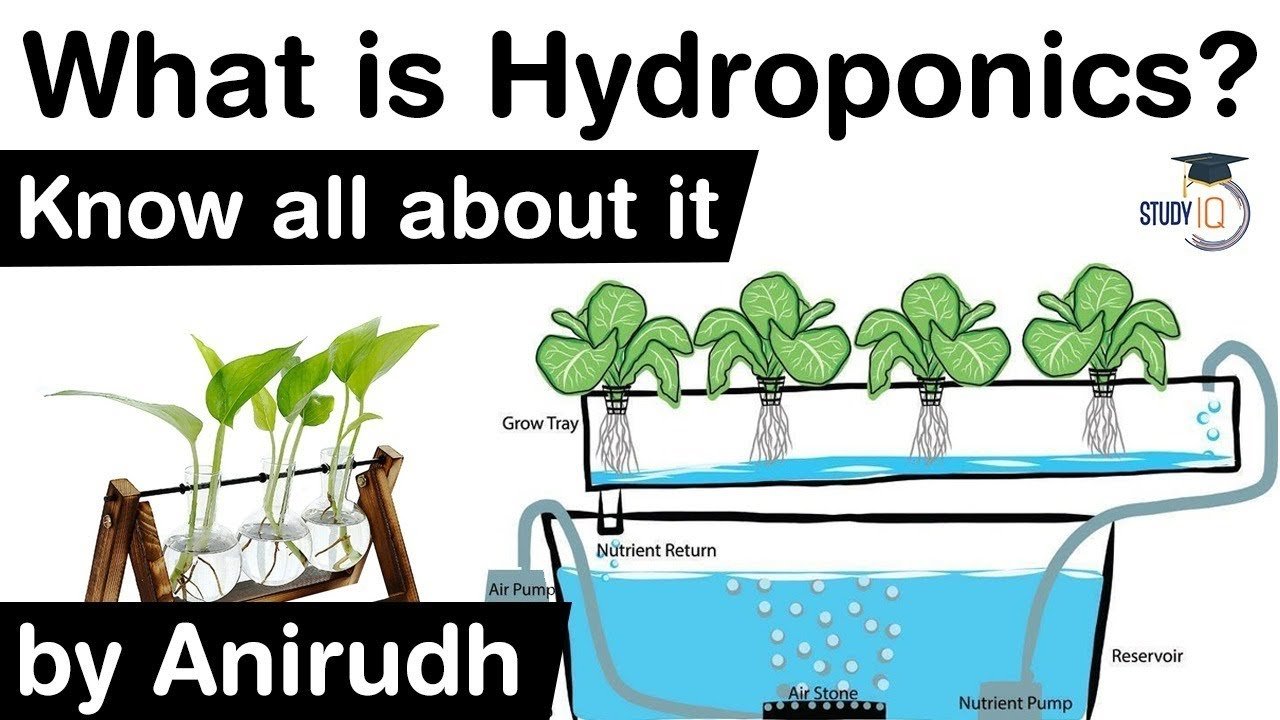
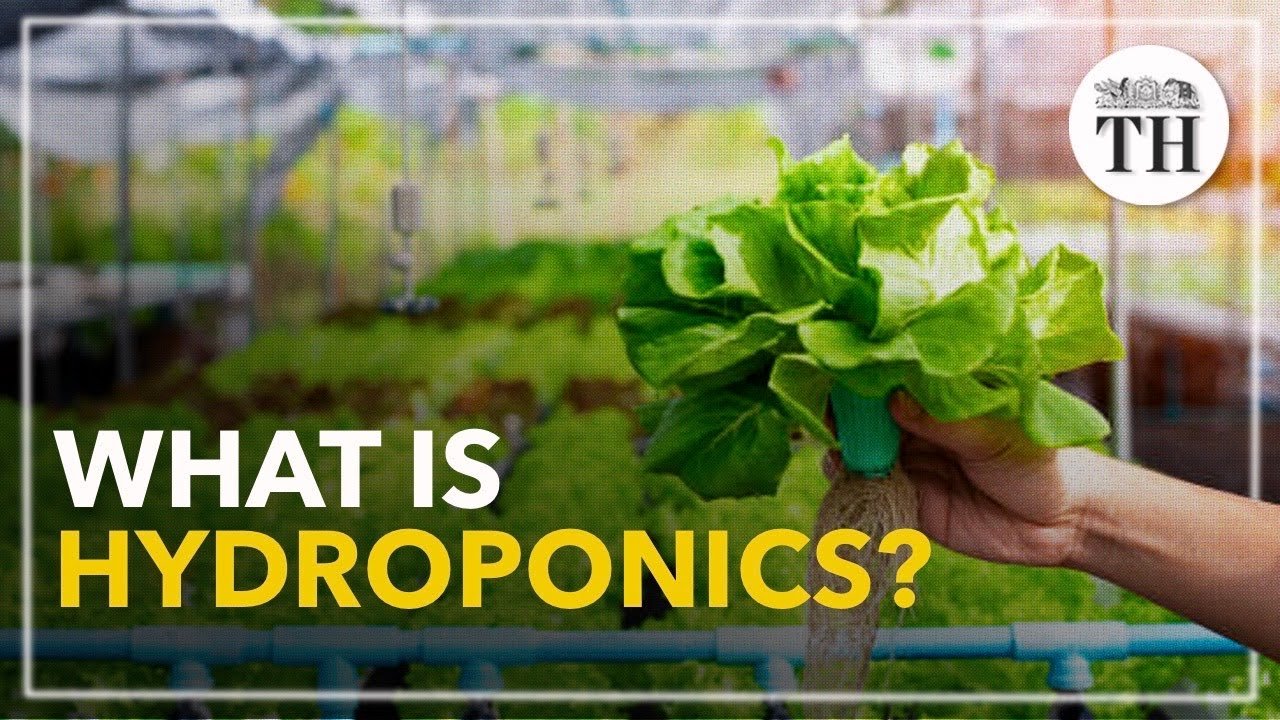
Building a floating raft system was surprisingly straightforward. I commandeered a large plastic tub and used styrofoam boards cut to fit. The idea was simple; the plants would grow on the raft while their roots hung down into the nutrient-filled water. I felt like a real farmer! Days turned into weeks, and I gradually learned to monitor the pH and nutrient levels.
Growth and Surprise
Then came the unexpected things — plants began to sprout. I remember the sheer delight watching those first green sprouts emerge from the styrofoam. The thrill of seeing a tiny lettuce leaf unfolding — it was like magic. To think I had almost given up! I had my little indoor farm, and suddenly my kitchen was more like a greenhouse. Fresh herbs and salads danced in my mind rather than a pile of wilting store-bought greens.
I did eventually come back to my initial fishy love though, after I’d built enough confidence—next, I wanted to try it again, but not with the same naive enthusiasm. Maybe next time, I’d choose guppies or tilapia, something less fragile, or even build a more robust filtration system.
The Takeaway
If you’re thinking about doing this, don’t worry about getting it perfect. Just start. You’ll figure it out as you go, and the process itself will teach you so much more than any book ever could.
I look back at that chaotic summer in my backyard with a grin, those moments of trial and error shaping my love for growing food. Every mishap and miscalculation was a step toward my next success. So roll up your sleeves, gather your materials (even if they’re mismatched), and dive into the wild world of indoor gardening.
Oh, and if you ever want to explore this adventure deeper, join the next session of aquaponics workshops here. You’ve got this!

Leave a Reply