
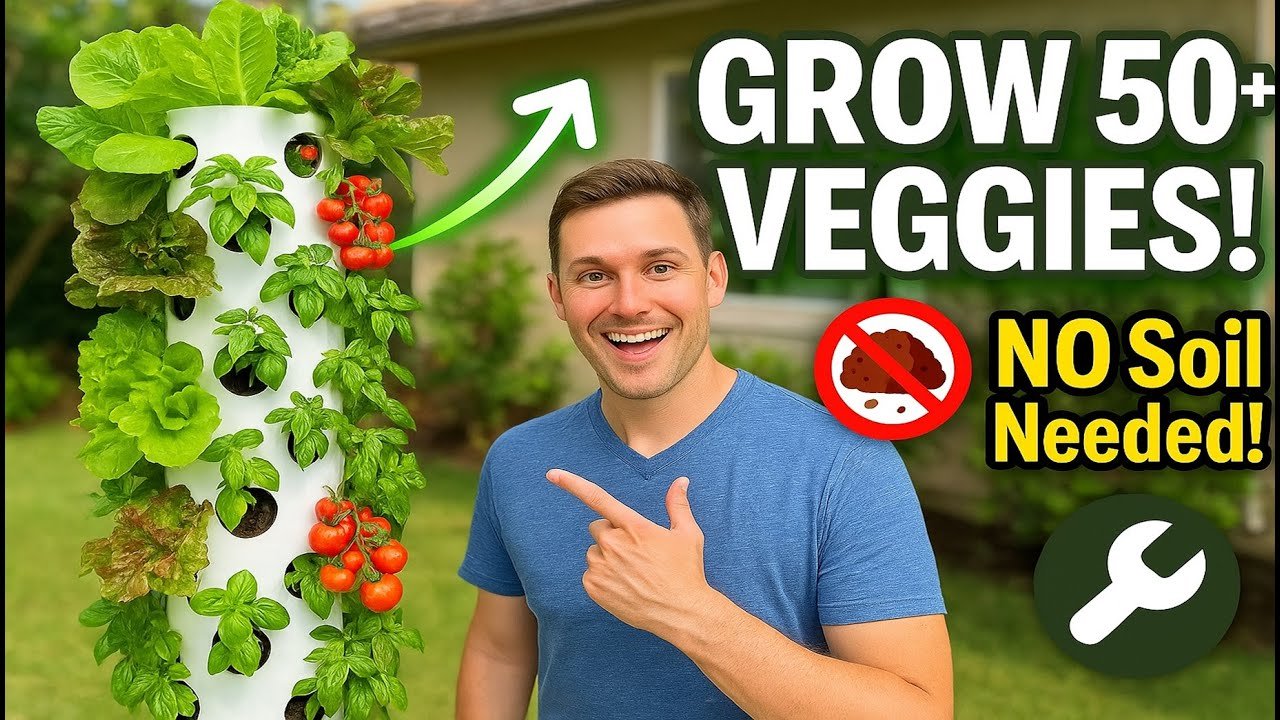
The Great Hydroponics Misadventure: Fishy Lessons in My Backyard
So, there I was, sitting at my rickety old picnic table, the scent of freshly brewed coffee mingling with the sweet summer air. You know that smell—like a lazy Sunday morning at the start of something that could either be a total disaster or a fascinating adventure. I had decided, after binging way too many YouTube videos on aquaponics, that I was going to transform my backyard into a mini-ecosystem. I mean, come on, how hard could it be? Spoiler alert: harder than I thought.
The Inspiration Strikes
I was sipping that coffee and staring at a patch of underutilized dirt where the kids used to play. “What if,” I mused aloud, as my cat Luna lazily stretched out on the table, “I could grow my own vegetables while also keeping fish? It’s like having my cake and eating it too.” The idea just clicked—an aquaponics system could provide fresh veggies and fish for dinner, all while being environmentally friendly. Plus, it looked super cool!
I sketched out plans that would have made any backyard scientist proud. I’d use an old plastic storage bin for the fish tank, a couple of 2x4s from my neighbor’s discarded lumber pile for the frame, and a fancy pump I’d bought on clearance three years ago but never used. Easy peasy, I thought.
The Construction Chronicles
I kicked off the project one bright Saturday morning. With a screwgun in one hand and a coffee cup in the other—obviously multitasking—I started building the structure. Let me tell you about the moment I thought I’d really nailed it: I had the fish tank in place, the makeshift grow bed on top, and even some cheap PVC tubing repurposed from my last failed attempt at making a backyard fountain.
I happily secured the pump and readied myself to fill the tank with water. But here’s where my naivety kicked in. I had filled half the tank before I noticed the water turning a murky shade of green. “What the heck?” I muttered. I stared at it like it was some kind of alien creation. I didn’t know yet that I’d missed a crucial step: running the pump for a while before introducing fish to establish beneficial bacteria.
The Fish Factor
After a week of futile Googling, I convinced myself that maybe it was just a normal phase. So, I found a local pet store (shoutout to that quirky shop owner who knew way too much about tropical fish) and picked out a few guppies and a small school of neon tetras. They were bright and mesmerizing, and I thought, “These little guys are going to thrive!” Yeah, hindsight is 20/20—poor little fish didn’t stand a chance.
By the time I added them, the water quality was terrible. I swear the tetras looked at me with pleading eyes, probably hinting, “Dude, what did you do to us?” Alas, I tried every water test possible, waving those little strips around like they were magic wands that might somehow fix everything. Spoiler: they didn’t.
The Downward Spiral
Things escalated quickly. One morning, I walked out with my coffee, and my heart sank. Two guppies were belly-up, floating aimlessly in the tank like literal victims of my mismanagement. I felt crushed. I didn’t sign up for this side of aquaponics—one day it was hopeful dreams, and the next, it was me fighting back tears. I had to face it: I was failing my fish.
But we’re here to learn, right? I rolled up my sleeves and dove into researching water quality. Turns out, I needed to cycle the tank properly. After a lot of trial and error—yes, including a few water changes that left me drenched—I finally got my water parameters under control. The pungent smell of an uncycled tank slowly transitioned to something that smelled … acceptable? Progress!
Finding My Green Thumb
Then came the plants. I’d bought some basil and a couple of lettuce seedlings, thinking they’d thrive in the nutrient-rich water. They sprouted faster than I imagined, and I’ll never forget the thrill when I noticed the first vibrant green leaf poking through. It felt like I was developing my green thumbs—or maybe just a newfound admiration for life’s ability to adapt.
But of course, another hiccup was waiting down the road. The plants were growing, but they weren’t “thriving.” I realized I had to figure out how to provide proper nutrients. A quick dive into homemade nutrient solutions, and I was back to being the excited inventor, pouring in whatever I could scrounge up from my shed—fish food, garden store nutrients, the enigmatic leftovers from last summer’s garden experiments.
The Takeaway
So, what’s the moral of my tale? It’s okay to make mistakes, and they may even be the most valuable part of the whole journey. A year later, despite all the fishy drama and green water, I’ve got a thriving little setup that has become a point of pride in my yard. It’s not perfect—far from it—but it’s mine. There’s something lovely about knowing the fish and veggies are a part of a small, functioning ecosystem I created with my own hands.
If you’re thinking about doing this, don’t worry about getting it perfect. Just start. You’ll figure it out as you go. And hey, if you’re ready for that first step, control your excitement just a bit and consider joining the next session on hydroponics. Who knows? You might end up with your own adventurous tale to tell over coffee someday.
Join the next session. You won’t regret it!

Leave a Reply