
A Fishy Experiment: My Hydroponics Journey
So there I was, sitting in my backyard with the afternoon sun beating down on my forehead, a half-finished cup of coffee in hand, and an ambitious idea bouncing around in my mind. You’d think someone in a small town would feel comfortable just planting a garden, but where’s the fun in that? I had visions of an aquaponics system dancing in my head. To me, that was the ultimate game changer. We’d be growing fish and vegetables side by side! I didn’t quite know what I was getting into, but hey, isn’t that what life is all about?
Kitchen Table Engineering
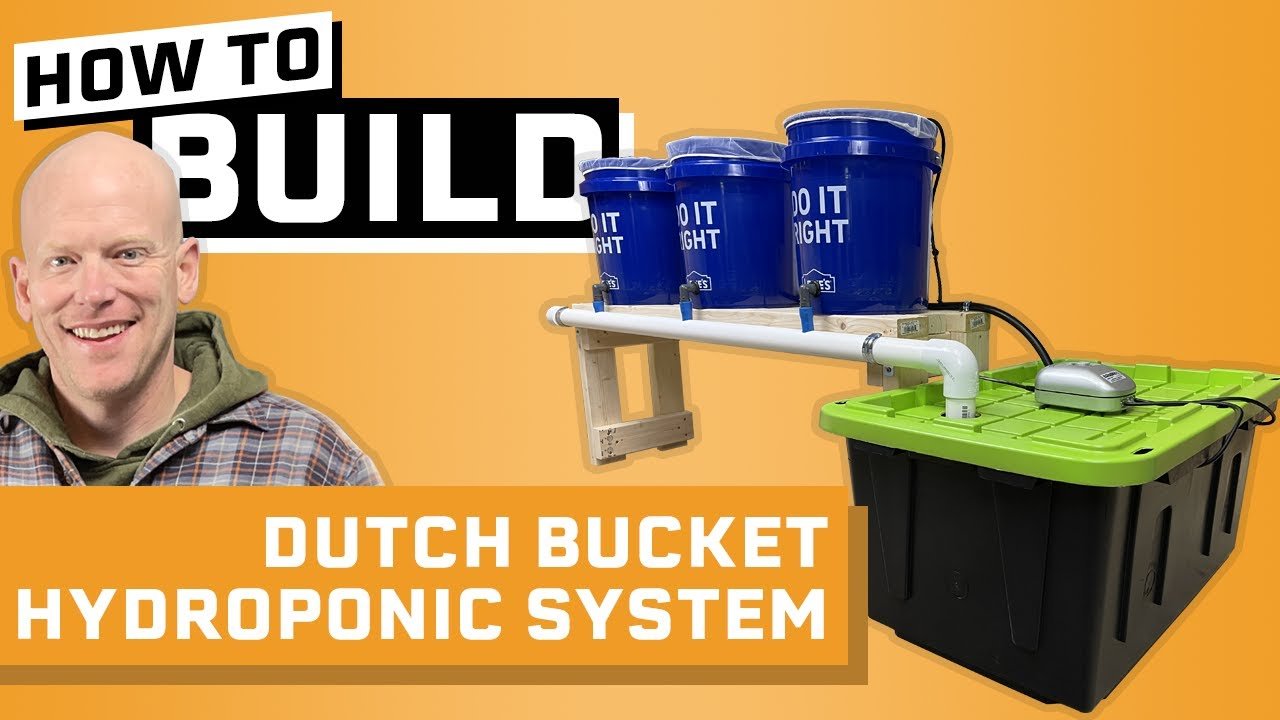
Armed with fervor and an inclination toward DIY, I marched into my garage and began gathering supplies. There’s something almost sacred about the tools in your shed—rusty wrenches, old buckets, and a piece of clear PVC tubing left over from a long-forgotten project. I had no actual plan other than a handful of YouTube videos and an old aquarium I acquired at a garage sale in town. The vision was clear: I’d create a system where fish waste would nourish plants. Simple, right?
I opted for tilapia. They’re sturdy little creatures and, as it turned out, surprisingly tasty. I picked up a couple from the local fish store, marvelling at how lively they were, flitting around in their tanks like they owned the place. As I drove home, the smell of the fish, mixed with the distinct earthy scent of mud, lingered in the car. I felt like a proud father, ready to introduce my little swimmers to their brand-new home.
The Water Smells Like Trouble
Now, if only I’d known the trouble that awaited me. I filled the aquarium, plugged in the heater, and—get this—left it for a whopping two days to cycle. When I was finally ready to add my fish, I was convinced I had nailed it. The water looked clear and inviting. It turns out that water can be deceptively friendly-looking.
As soon as I dunked those little guys into their supposed paradise, I proudly went about setting up the plants. I’d read about hydroponic nutrients but opted to mix my own hellish concoction, thinking I could save a buck. Oh, how naive I was. That first week, amidst my enthusiastic aspirations, I forgot about one crucial detail: proper nutrient balance. Folks, the water started smelling like an old football cleat and turned a disheartening shade of green. They say, “Trust the process,” but let me just say, I questioned everything at that point.
Lessons from a Dead Fish
Things escalated from there. A couple of days later, I found one of my tilapia belly-up, floating, lifeless. I could hardly look at it. After a quick funeral—no tears, just some respectful silence—I sat down on the edge of my DIY setup and had a good think. What did I do wrong? Overfeeding? Uneven nutrient mix? Probably all of the above. I thought about giving up entirely when my wife caught me sulking and pointed out, “You’ve put too much effort in to just let it go.” Sometimes, your partner knows best, even when you don’t want to hear it.
A Lesson in Resilience
So, I took a deep breath, wiped my eyes, and buried myself in research. I learned about hydroponic nutrients—the ones actually formulated for aquaponics. After a tearful evening with the internet, I ordered a specially designed nutrient solution, one designed to balance the needs of both plants and fish. It was a leap of faith, but I figured it couldn’t be worse than the home-brewed nightmare I had concocted. Soon, I watched the leaves of my little basil and lettuce stock rise high, thanking the heavens above for the new elixir.
Just when I thought everything was peachy keen, my pump stopped working. Of course it did. Of all the shoddy luck! I almost threw in the towel right there, convinced that I was never meant to be a farmer—or a fish parent, for that matter. But, on a whim, my neighbor lent me a hand. Together, we disassembled the pump, washed out the gunk—y’know, that chunky goo that makes you question your life choices—and put it all back together again. We even joked about starting an angler’s support group over a cold drink, a humiliating but oddly bonding experience.
The Reward
Eventually, I found my groove. The fish lived. The plants flourished, and I finally tasted the fruits of my labor—both literally and metaphorically. Fresh salads adorned our table; we even grilled some tilapia topped with roasted veggies. I may have shed some tears along the way, and there were moments when quitting seemed like the easiest option, but I learned so much.
As I sit here, reminiscing over a cup of coffee and thinking back on my trials and errors, I feel a warmth trickling through my bones. It is an almost whimsical reflex to dive headfirst into something without fully comprehending the mess it might create, but those messes can turn into golden experiences.
If you’re out there considering this wildly ambitious venture into hydroponics or aquaponics, here’s my warm takeaway: Don’t perfect it before you begin. Just start. The fish might die, the plants may flop over, but every setback is a step toward something beautiful, something alive. Join me and others who are learning as we go—together, we can figure it out!
Feeling intrigued? Join the next session and discover the magic of this journey with me!
Reserve your seat!

Leave a Reply