
The Great Backyard Experiment: My Aquaponics Journey
It all started one sunny Saturday morning with the smell of fresh coffee wafting through the kitchen and a faint hint of dirt mingling in my nostrils. Dave, my neighbor—who’s always prattling on about his latest woodworking project—was prepped and ready for another neighborly coffee chat. I knew, with that sparkle in his eye, he had some new grand idea that had brewed over his own cup of joe. I had been tinkering with the thought of an aquaponics system for months, inspired by late-night YouTube rabbit holes.
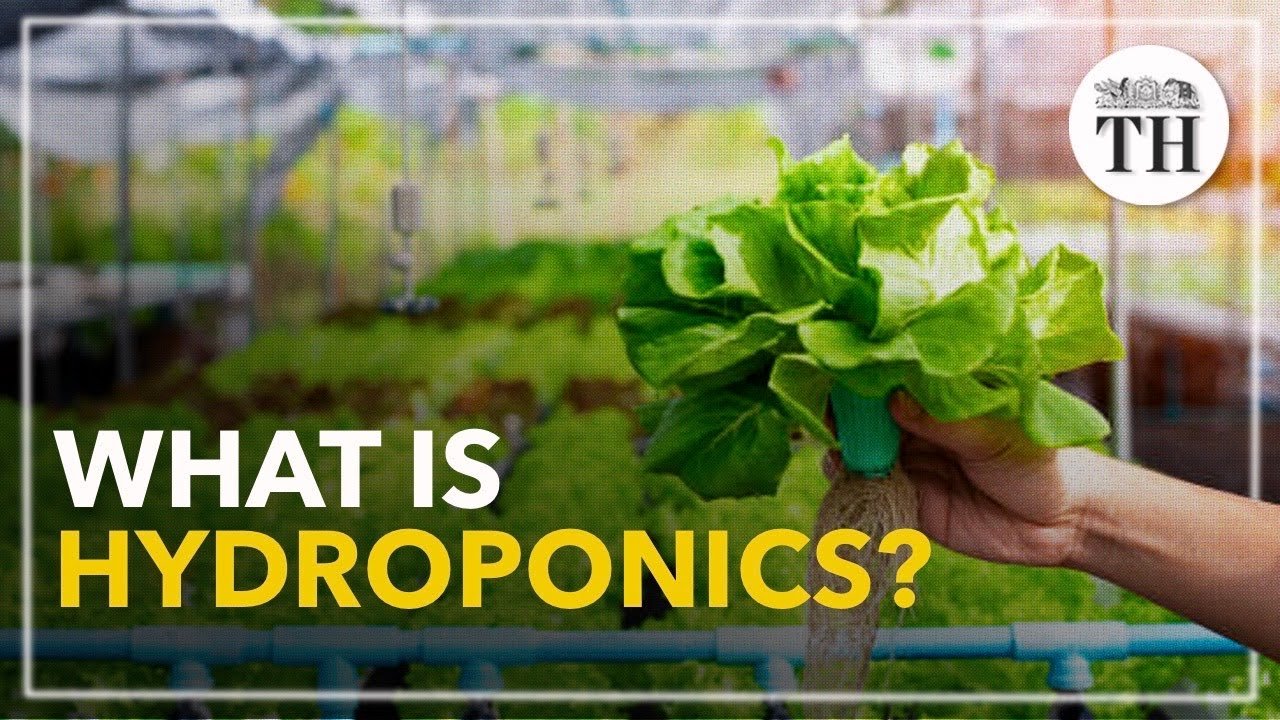
For those of you who don’t know, aquaponics is a mix of aquaculture (that’s fish farming) and hydroponics (growing plants in water, sans soil). Sounds fancy, right? I thought so too. So, I decided—why not bring a little slice of the farm into my backyard?
Setting the Scene
After a few enthusiastic discussions with Dave and several scribbled sketches on the back of a grocery receipt, I kicked off my backyard quest. I had just a small patch of land beside the garage, surrounded by pesky weeds and my mom’s old birdbath that she was adamant I wouldn’t throw away. The birdbath decided to be a stepping stone into the world of aquaponics, even if it was covered in a couple decades’ worth of moss and the occasional spiderweb.
With a couple of buckets repurposed from old paint I’d used for the living room and a few 2x4s I’d snagged from the shed, I was ready to construct my aquaponic masterpiece. Eight screws in and I was feeling like a real DIY champ.
I decided to go for tilapia; they’re hardy little guys, perfect for a beginner like me. Standing proud in my local fish store, I could practically smell success. After confessing to the store owner it was my first time, he reassured me I’d be fine as long as I didn’t overfeed them. “Just keep it simple, and don’t go overboard,” he said with a smirk. I found myself clinging to that advice, convinced it was a mantra I could live by.
Troubles in Paradise
Fast-forward to a week later. I built a rickety contraption that I thought proudly resembled the systems I had seen online. As I placed the fish into their new watery home, I felt a surge of pride mixed with a hint of fear. The water was crystal clear, with floating bits of moss still hanging on from the birdbath days. It smelled… well, a bit like pond water, honestly.
But my euphoria was short-lived; days passed, and I was met with a water crisis. The first sign of trouble was when I caught a whiff resembling a mixture of a few socks left in the corner of the gym bag and that slightly rotten smell of farmyard. What was happening? My system started to feel like a ticking time bomb.
Trying to resolve this disaster was another rollercoaster ride. I rummaged through my tools, slightly annoyed that I had misplaced my trusty old manual. I nearly bit through my lip trying to figure out how to clean a fish tank and a system all at once, while keeping my fish alive. I feared I’d see an empty tank, staring back at me like a sack of broken dreams.
“Oh lord,” I muttered under my breath one evening as I waded through manuals and articles online. “Why did I ever think this was a good idea?” Fish have feelings too, and I definitely didn’t want to be responsible for a fishy funeral service.
The Turning Point
The moment of clarity struck—halfway through an awkward FaceTime with my wise friend Sam, who practically managed her own backyard farm. “Stop stressing,” she said, sipping tea. “Check the pH levels, regulate the feeding, and just breathe.” The word ‘breathe’ hit me like a soft brick. I’d gotten so wrapped up in the science, I had forgotten the simplicity of what I was attempting.
A few adjustments—cleaning the filters, checking the pH levels with a test kit I dug up online, cutting back on the feed, and voila! Things started to balance out. A couple weeks in, the cloudiness cleared, and miraculously, none of the fish had floated up to that great fish tank in the sky.
With time, the plants began to sprout. Bright peppers and luscious greens started transforming the system into something almost beautiful. I was elated—my backyard was becoming a thriving little ecosystem. Nature had a way of forgiving all my mistakes.
The Sweet Victory
Eventually, I managed to harvest my first batch of basil and tomatoes—probably somewhat puny compared to the store-bought versions, but they held flavor worthy of a Michelin-starred chef in my humble kitchen. I stood there, holding a handful of homegrown produce, feeling like I had just conquered Everest (or maybe more like a high hill).
“Not too shabby, huh?” I triumphantly told Dave as he tried my cooking later that week. He laughed, eyes wide at the magic I’d conjured from my backyard.
Reflecting on the journey, I realized it was more about the adventure than the destination. Through the fish deaths, foul odors, and questionable water, my backyard had turned into a canvas of trial and error. And I learned that, sometimes, it’s easy to get lost in perfecting the idea—and forget why you started in the first place.
The Takeaway
So, if you’re thinking about diving into aquaponics or any kind of self-sufficient system, don’t fret about mistakes—embrace them. They come with the territory, and you’ll figure it out as you go along. For every fish that swam too close to the edge, there was a rewarding handful of veggies just waiting to flourish.
So, raise your cup of coffee to your future aqua-ventures and remember, it’s all part of the beautiful mess.
If you want to learn more about building your own backyard system or have a laugh over some potential pitfalls, why not join the next session? Dive in, because the adventure awaits! Join here!

Leave a Reply