

My Adventures in Automated Hydroponics with Arduino
Living in a small town, life can sometimes feel a bit mundane, like the rusted bicycle my neighbor keeps forgetting to fix. But in the pursuit of sustainable living, I decided to dive into the wild world of aquaponics—using fish and plants to create a self-sustaining ecosystem. Little did I know that my backyard would turn into a delightful mess of DIY projects, heartbreak, and, ultimately, learning.
The Great Idea
It all started over coffee one morning, staring out at my sad little yard. My friend Mary had been bragging about her hydroponic garden—a bountiful harvest of tomatoes and basil, with nary a weed in sight. Inspired, I decided to jump in. "How hard can it be?" I thought, dreaming of lush plants and fresh fish.
I hit up my shed and stumbled upon an old aquarium I hadn’t touched in years, dusty and forgotten like a bad relationship. The glass was cracked in places, but I thought, “It adds character.” A quick trip to the local hardware store had me loading up on PVC pipes, a submersible pump, some aquarium plants, and, of course, fish. I opted for tilapia—hardy creatures that I believed could withstand my inevitable rookie mistakes.
The Setup
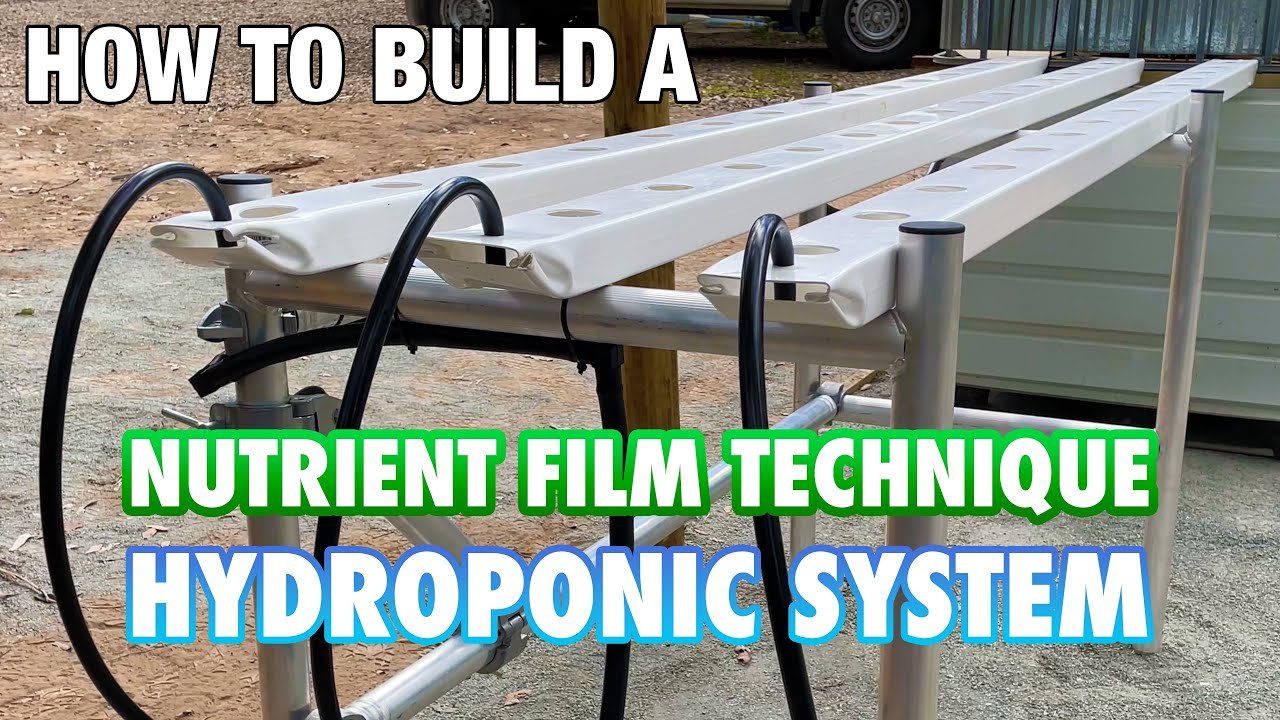
After a whole day of tinkering (complete with the occasional bout of cursing when I couldn’t find the right tool), I proudly set up my system. The aquarium would house the fish, and the nutrient-rich water would flow through the PVC pipes to the plants above. For control, I decided to invest in an Arduino board. I had tinkered with electronics before, so why not? I imagined myself as the mad scientist of aquaponics.
I configured the Arduino to monitor water temperature and pH levels, thinking I had nailed the tech part. The first time I powered it up, the pump sputtered awake, and I almost high-fived my reflection in the window. “You’re a genius!” I said, grinning.
But soon, reality hit.
The Smell of Regret
A few weeks into my project, I started noticing an earthy scent that wasn’t quite right. As I peered into the murky water of my aquarium, I was greeted by the disheartening sight of a few unfortunate tilapia floating near the surface. “What the heck?” I wondered, already losing my appetite for fish fries. Turns out I had forgotten to factor in proper aeration. The poor fish were suffocating, and all that excitement I felt earlier began to drain away, much like the last of my patience.
After purchasing an air pump—another piece of equipment to add to my checklist—I thought I’d cracked the code. But then the water started turning green, an ominous hue that channeled every horror movie I’d ever seen. Algae bloom was my new adversary, and no amount of brushing it off with a sponge would fix it.
The Grit of Persistence
Feeling a rollercoaster of frustration and determination, I promptly reached for the internet, which became both my savior and my nemesis. YouTube videos showed people dealing with similar issues, armed with expertise I sorely lacked. I learned all about the importance of balancing nutrients and maintaining cleanliness. Slowly, I began refining my process—taking notes, making adjustments, and even debugging my Arduino code.
I found that using repurposed materials helped ease the pain of constant spending. Old plastic containers became planters, and forgotten pots turned into water catchments. I even attached an LED light to the Arduino to adjust light levels for the plants in the evening. More experimentation, more mess—but I felt like I was inching closer to something great.
Holy Grail Moments
Then came the moment of clarity—finding out that red wigglers (the kind of worms I used for composting) can also help balance out the system. I added them to the soil of my plants, and to my surprise, they thrived along with my crops. It’s quite something when you can look outside and see thriving basil, crisp lettuce, and some fish actually swimming instead of floating. It felt like proving everyone wrong, including that annoying little voice in my head that said I’d never make it work.
Takeaway: Just Start Somewhere
Through all the ups and downs, what I learned is that perfection was never the goal. The project became a metaphor for life itself—messy, unpredictable, and full of learning curves. If you’re thinking about diving into hydroponics or any quirky DIY project, here’s my advice: just start. You’ll figure it out as you go. Don’t let the fear of failure stifle the joy of experimentation.
So whether your backyard becomes a thriving wonderland or a comedic tragedy, it’s all part of the journey. Why not grab your own aquarium, some seeds, and perhaps a friendly robot companion like Arduino, and see where it takes you?
If you’re intrigued and want to join others on this exciting journey, reserve your seat for the next session here! Join the next session.

Leave a Reply