
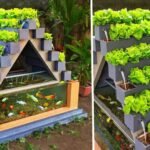
My Aquaponics Adventure: Learning by the Mistakes (and Fish) I Made
You know, there’s something both thrilling and utterly terrifying about trying to create a mini-ecosystem in your backyard. Picture me, a well-intentioned novice in Lawrence, standing there with a garden hose in one hand and a half-scratched head in the other, daydreaming about homegrown veggies and happy fish. How hard could it be, right? Spoiler alert: it wasn’t easy.
The Dream Begins
Let’s rewind to the day it all started. I had a few friends over for coffee, and as the conversation shifted to sustainable living, someone casually mentioned aquaponics. I’d never heard of it before—kind of like mixing together the hardest jigsaw puzzle pieces with a side of garden therapy. I was instantly fascinated. Why not combine fish-raising with vegetable growing? I could be the modern-day aquaponic pioneer right here in Lawrence!
So, with excitement bubbling inside me, I made a trip to the local hardware store, where I spent an embarrassing amount of time wandering up and down the aisles. I picked up an old fiberglass tank, some PVC pipes, and a handful of gardening supplies that seemed useful at the time. “I might as well grab some rubber gloves,” I thought, as I envisioned myself elbow-deep in my new project.
The Build Begins
Once I had all my supplies, I dug into my backyard like a kid digging for buried treasure. After dragging the tank from my truck, which nearly created a scene worthy of a slapstick comedy, I felt like I really had something special on my hands. I set everything up with a sense of determination. The tank was filled with water that I declared my “life-giving potion.” I was convinced that if I could just get the water flow right, I’d have lush lettuce and robust tilapia before I knew it.
Then came the part where I needed a pump. That little piece of machinery seemed so harmless, but oh, how naive I was. After what felt like two days of fiddling – yes, I did lose track of time – trying to wire it up and get it to work, I almost launched it over the fence in frustration. I was sweating bullets and muttering under my breath like an old fisherman cursed by the sea.
Finally, with a prayer to the fish gods, I hit the switch and voilà! Water gushed through the pipes. I thought I’d nailed it.
The Fish Selection Fiasco
After the pump was in place, next on my list was selecting the fish. I decided on tilapia, thinking they sounded exotic and versatile like a fish ambassador for my little project. I made a pit stop by the local fishery, only to be met with a handful of confused stares. “You’re sure, son?” the owner asked, wrapping his arms around a craggy water filter like it was an old friend.
“Absolutely!” I said, filled with both courage and utter cluelessness. Spoiler—tilapia in initial phases can be tough to raise; they’re picky little creatures when it comes to their home.
Fast forward a couple of weeks, and reality hit harder than a diving cap. The water began to turn green—not the vibrant botanic green I had envisioned, but a nasty swamp-like hue. I obsessed over it, testing pH levels with kits from Amazon. “Test, adjust, repeat,” I chanted like a man possessed. Somewhere in the depths of my makeshift hatchery, I could almost hear the fish mocking me.
The Fish Losses and Lessons Learned
Things took a turn when I lost the first fish. One morning, I woke up to find my first tilapia belly-up, floating like a little casket in the green muck of a pool I was desperate to fix. My heart sank; it was like losing a pet I had just gotten. The smell of the water hit me like an air freshener gone rogue—it was foul and filled with a rotting scent that simply didn’t sit right with coffee-sipping mornings.
I nearly threw in the towel then. Who was I fooling? This wasn’t community gardening; it was an aquatic murder mystery. But with a heavy heart and some deep breaths, I pressed on. I tapped into the wealth of information online, discovered forums, and soon learned more than I ever wanted to about fish health and system dynamics.
The Surprising Rewards
Miraculously, my next batch of fish made it through. They surpassed the odds and thrived like I wished for from the start. Little by little, I managed to find my rhythm. Pure delight washed over me when I saw tiny seedlings sprouting in their beds above the fish tank, and I couldn’t help but marvel at the intricate relationship I was cultivating. It was borderline poetic—fish producing waste that nourished the greens while I watered them lovingly with fresh water from the tank.
I learned that patience was key—everything from the fish to the plants to my own heart. Progress wasn’t linear either; some days I was soaring high, and other days felt like I was buried underwater.
A Lesson for All of Us
At the end of this chaotic journey, the take-home lesson for me was simple yet profound: If you’re thinking about diving into something new, especially aquaponics, don’t worry about getting it perfect. Just start.
You’ll throw fish food and watch them grow. You’ll feel the thrill of fresh lettuces while grappling with the occasional fish loss. That’s all part of the adventure. It’s messy, unpredictable, and very much a quintessentially human experience.
So, grab a shovel, perhaps some old tools from the shed, and just jump in. And if you ever feel like sharing a coffee and a few fish tales, you know where to find me.
And who knows? Maybe you’ll want to join the next aquaponics session and swap notes. Reserve your seat here! Happy fish-keeping!

Leave a Reply