A Coffee Table Journey: The Ups and Downs of Mid-Century Woodworking
So, there I was last summer, sitting on my rickety old couch, staring at that wobbly coffee table inherited from my Aunt Gertrude. You know, the one with the faded floral upholstery that smells like a mix of cat hair and stale popcorn? Yeah, that one. It was all I could think about as I sipped my coffee, that familiar dark roast from the local diner, its rich aroma filling the room. I just imagined a sleek mid-century coffee table—something that wouldn’t just hold my drink but would look like it was plucked straight out of a design magazine.
I’m not a professional woodworker by any stretch of the imagination. I’ve messed around with some projects here and there—like that birdhouse that ended up looking more like a cave than a cozy home. But, hey, a guy’s gotta try. So, with a determination that can only come from a strong cup of joe, I decided I was going for it—I was gonna build that coffee table.
Sketching Out a Vision
I grabbed a piece of paper and sketched out this mid-century design. Think clean lines, tapered legs, and just enough surface space to rest my coffee and maybe a snack or two. I wanted that walnut finish, rich and inviting. After a bit of back and forth, I realized I could no longer put off a trip to the lumber yard.
Walking into the yard was like stepping into a candy store. The smell of freshly cut wood hit me like a wave, and for a second, I thought I might actually know what I was doing. I picked out some beautiful walnut boards—soft, but with that gorgeous, deep grain. I even took a moment to run my fingers over the smooth edges, imagining how they’d come together later. The smell of the wood was intoxicating; I almost wanted to just sit there and breathe it in.
The Tools of the Trade
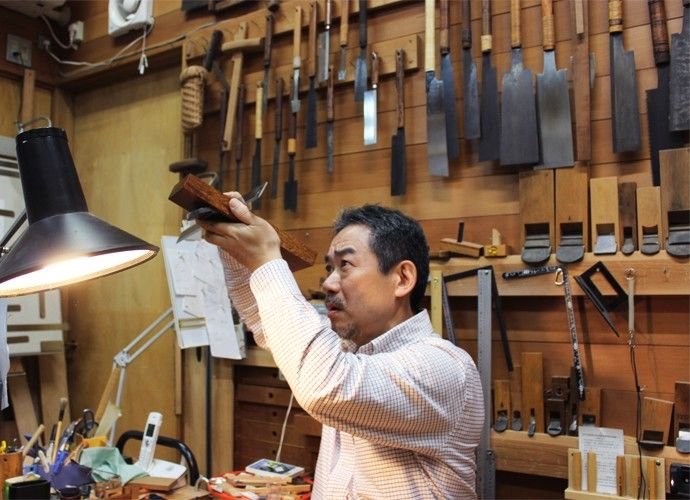
Of course, I didn’t think ahead about the tools I’d need. Sure, I had a circular saw and a miter saw, but the hand tool aisle? I kind of went in unprepared. I stood there, scratching my head. Do I need a chisel? A hand plane?
Eventually, I just grabbed a few things that looked useful—some clamps, wood glue, and a random belt sander I thought I could make work. “What’s the worst that could happen?” I chuckled to myself, feeling that good ol’ small-town bravado kicking in.
The Beginning of the Build
Getting everything to fit together was a real test of patience. I started by cutting the pieces for the tabletop—nothing like the satisfaction of measuring twice and cutting once, right? But you know how it goes. At one point, I was so wrapped up in grid lines and measurements, I cut one of the pieces too short. Like, it was enough to make my coffee mug sit at a weird angle. I almost gave up when I realized I’d have to make another trip to the lumber yard. But then I thought, “You came this far, buddy.”
So back I went, another whiff of that wood scent filling my lungs, and I picked out another board. As I left the lumber yard that day, I couldn’t help but feel a little like a craftsman, despite the setbacks.
Fitting It All Together
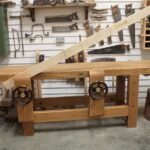
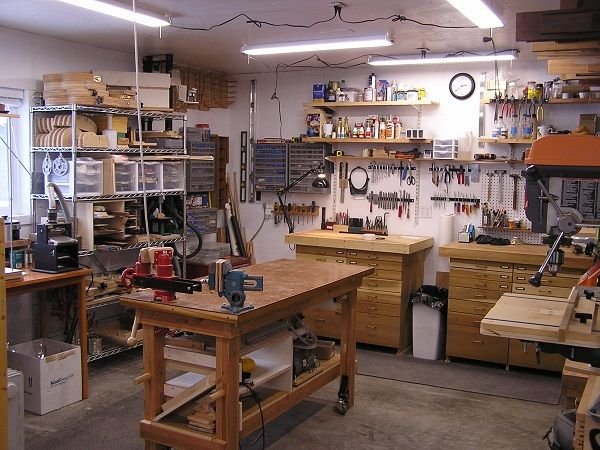
After a few late evenings in my garage, pulling out the tools, polishing my patience, and banging my shin on the workbench a couple of times, I finally had the top and legs ready to go. The clamping part was something I’ll never forget.
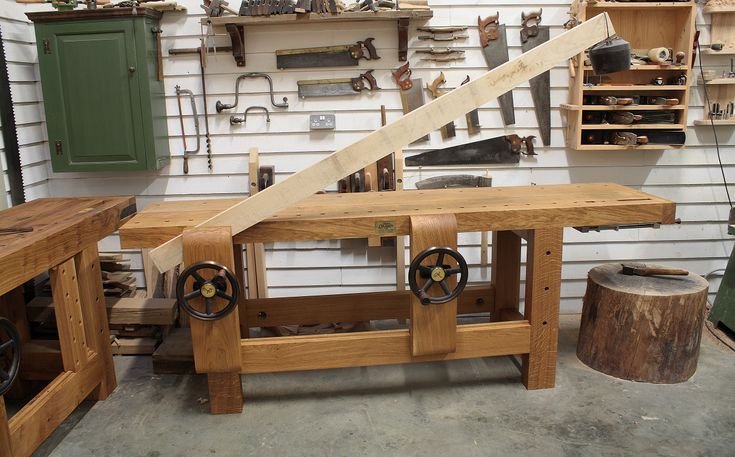
I can’t tell you how many times I had to fiddle with those clamps to get everything secured properly. I mean, trying to hold four pieces together while wrestling a clamp is an experience in chaos. I laughed a little when I finally figured out I could just use my foot to stabilize one side while I adjusted the other. It felt like I’d just been let in on some secret woodworking trick that no one else knew about.
The Finish Line
Finally, came the sanding. The sweet moment when everything starts to look good. I laid out my random orbital sander and went to town, the whirr of it all echoing in my garage like music. I opted for a simple finish—just a coat of Danish oil.
I remember the first time I poured some on the surface. I brushed it in, and wow, it just brought out the richness of that walnut grain. I could practically hear that wood sighing with relief. I stepped back, looked at it, and thought, "Hey, this might actually work."
But then—of course—there was a spot I missed. Just a tiny bit, but still. I almost threw my hands up in defeat. But you know what? It’s those little imperfections that make a piece unique, right? Kind of like me.
Sitting Back and Enjoying
Finally, after a good long day of checking legs for balance and making sure it didn’t wobble, I brought that coffee table inside—yes, oh so proud. I set it down in front of my couch, stood back, and admired my handiwork over a steaming cup of that rich coffee. I can’t tell you the joy I felt, even with its quirks.
And, honestly, when I look at it now, it reminds me of the journey I took and the coffee-fueled late nights I spent working on it. If you’d told me a year ago I’d be sitting in my living room with a fine, homemade coffee table, I might’ve chuckled in disbelief.
But here’s the thing: if you’re sitting there thinking about giving a project like this a go—do it! Don’t overthink it; just dive in. You might mess up, you might even have to redo some pieces, but in the end, you’ll have something that carries your story. Trust me, there’ll be plenty of warm cups of coffee shared over whatever you create. And let me tell you, that’s the real reward.