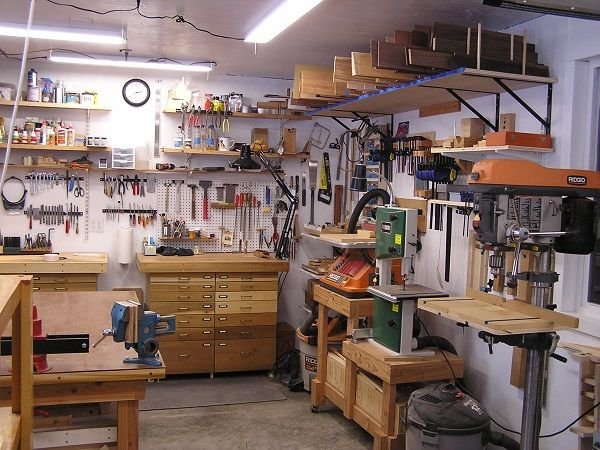
The Craftsmanship of Chinese Woodworkers: A Personal Reflection Over Coffee
You know, there’s something genuinely special about woodworking. It’s one of those rare hobbies that can really ground you, even in a world swirling with distractions. I mean, last week, I poured myself a cup of coffee, leaned back in my creaky old chair, and started flipping through some photos from a trip I took to China a few years ago. And man, did that take me back.
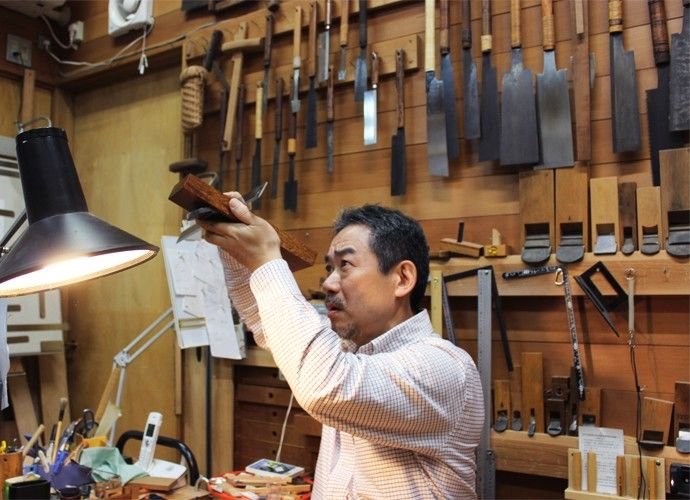
I remember standing in this tiny village, the sun just starting to rise over the mountains, casting a golden glow on this ancient workshop. The air smelled of fresh pine and varnish, mixed with hints of sweat and sawdust. It was alive, you know? You could hear tools clinking and the rhythmic thud of mallets against wood. That’s when I first fell in love with how these skilled Chinese woodworkers combined tradition with creativity.
Now, I’ve fumbled my way through enough projects in my garage to know that perfect craftsmanship doesn’t come easy. When I started out, all I had was an old jigsaw—one of those cheap ones that rattles like a blender on the verge of an explosion. I once attempted to recreate this intricate, lattice-style cabinet I had seen in a Chinese woodshop. Oh man, what was I thinking?
Mistakes and Lessons Learned
I grabbed some pine boards and set to work. I had my plans all laid out, expecting them to be more of a guideline. I started by trying to cut these delicate patterns. I remember the moment I realized my cuts were going south. The jigsaw wouldn’t cooperate, and every time I thought I’d nailed it, the blade would wobble, or worse—snap. I almost threw my tools out of the garage in frustration. But then I remembered how patient those craftsmen were over in China, working slowly, almost meditatively.
So, I took a deep breath, wiped the sweat off my brow, and decided to put the jigsaw aside. Instead, I grabbed my chisel—good ol’ trusty, a hand-me-down from my granddad. I could hear him whispering in my ear, "Slow down, son, shape it right."
Chiseling away felt almost therapeutic. The thud of the mallet against the chisel was satisfying, almost like a heartbeat. That sound has a way of calming you. I found myself picturing those artisans I watched back in China, meticulously working each piece, their movements almost like a dance with the wood.
Embracing the Journey
The project didn’t turn out perfect—not by a long shot. The cabinet was a bit wobbly, and there were spots where the finish didn’t quite go on right. Believe me, I knew it wasn’t at the level of what I had seen in that workshop, but you know what? I laughed when I finally assembled it, wobbles and all. It was mine, made with my hands. And I learned a ton along the way—even if I initially felt like giving up.
When I moved onto my next project, I decided to work with mahogany. There’s something about the rich, dark hue and that sweet, almost chocolatey smell when you sand it down. It feels luxurious, you know? But on my third or fourth sanding pass, I accidentally went a bit too far. I was trying to be fancy, bringing out this shiny finish, and it just turned into a sad, faded patch. Ugh, I still cringe thinking about it.
I laughed about that too, though. Here I was, using my power sander like some kind of mad scientist, and I ended up almost ruining a piece that had the potential to be pretty sweet. But hey, it’s all part of the game, right? Sometimes you learn more from the mistakes.
The Connection Across Cultures
As I think back to that workshop in China, I realize how much I’ve absorbed from the way those artisans work. There’s a certain respect for the materials, an understanding of the wood’s natural beauty and strengths. I might not have their skill level, but I’m getting there. Each piece I create carries a little bit of that philosophy; it’s a piece of heritage, a piece of love.
Seeing those woodworkers carve out intricate patterns made me think about the stories held within the grain of the wood—like they were sharing pieces of themselves through each project. In each knot or grain, there’s history, and I’ve carried that into my own work. I try to approach each piece with that same love and respect. Who knows how long these materials will last, how many stories they’ll gather over the years?
A Warm Takeaway
If there’s one thing I wish someone had told me earlier, it’s this: don’t be afraid to mess up. Dive in headfirst and screw up a wall hanging or a table. Each mistake is a step toward understanding this beautiful craft a little bit better. Whether you find yourself in a workshop in China or in a garage in small-town America, woodworking connects us across distances and cultures. It’s not so much about the end product but the process itself—the lessons learned, the time spent in the wood, and the memories created.
So, if you’re thinking about giving this a shot, just go for it. Embrace the wobbliness and the knots; they’re all part of your unique journey. And who knows, maybe one day someone will look at your creation and feel a connection too.