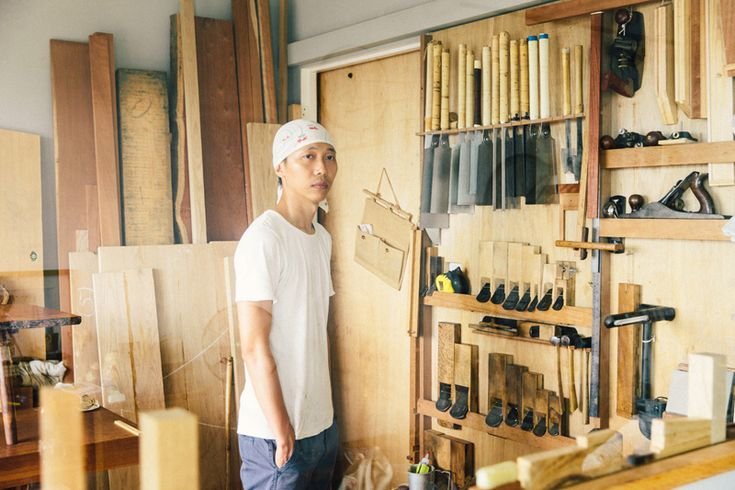
The Journey into Japanese Woodworking
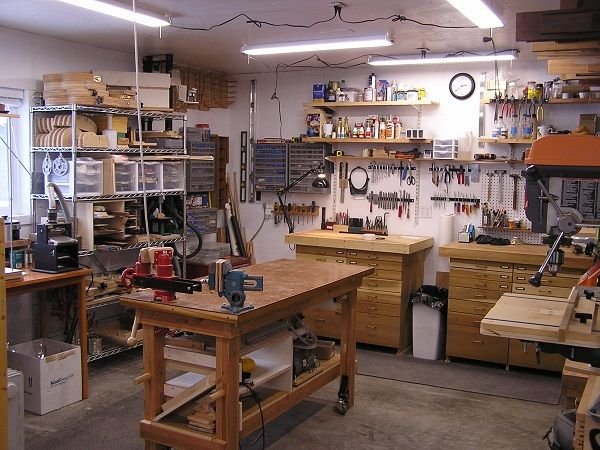
So, picture this: it’s a Saturday morning, the sun’s creeping through my workshop window, and I’ve got a cup of black coffee—strong, like my resolve to tackle this big ol’ woodworking project I had in mind. I thought, “Why not dive into this Japanese woodworking thing? It looks intricate yet beautiful.” You know the kind of stuff you see online that makes you think, “I can totally do that!”
Well, the truth almost knocked me off my stool.
The First Attempt
I went to the local lumberyard and picked up some cedar. Oh man, that smell! It nearly knocked my socks off when I unpacked it at home. I got all carried away watching those YouTube videos that made everything look like a walk in the park. “Hey, it’s just wood and tools, right?” I thought. I was heavily inspired by the aesthetics of Japanese joinery—I mean, have you seen a single dovetail joint? It’s like a work of art. So, I decided to build this small table, not too big, just enough to get my feet wet.
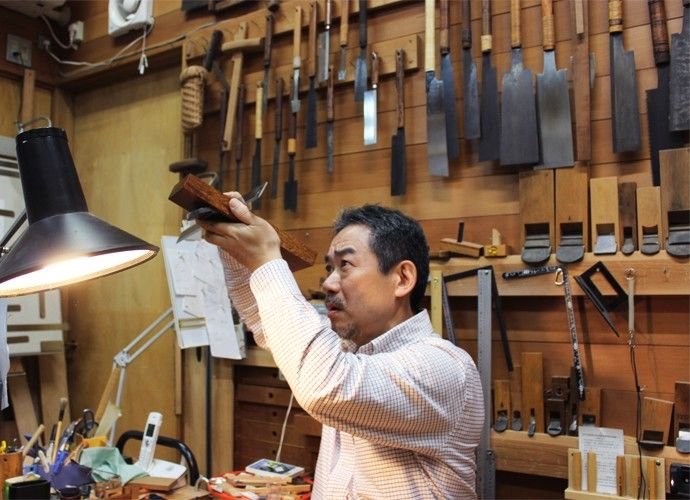
But here’s where I tripped. The tools. I had a few decent pieces, like a nice hand saw and an old chisel that was handed down from my granddad. But boy, did I underestimate the precision needed. I bought a cheap Japanese pull saw—figured it would do the trick. Let me tell you, that thing was like a stubborn mule. It didn’t want to cooperate.
The Learning Curve
About halfway through my project, I almost threw in the towel. I mean, picture me—saw dust all over my face and the floor, sweaty as a sinner in church, trying to make sense of all the tutorials that promised this elegant endgame. But what I found was an ugly mess of mismatched joints and splintered wood. Every slice of the saw that went wrong felt like a small defeat.
The worst part? I’d get one part right, only to mess up the next. It was demoralizing. There was this moment when I laid everything out and just stared at it, thinking, “Dude, this isn’t even close to what I wanted.”
But then I remembered something my neighbor—old Mr. Hargrove—told me once about woodworking: “Every piece of wood has a story, even your mistakes. Embrace them!” I let out a little laugh, imagining my cedar planks quietly judging my effort.
Finding My Flow
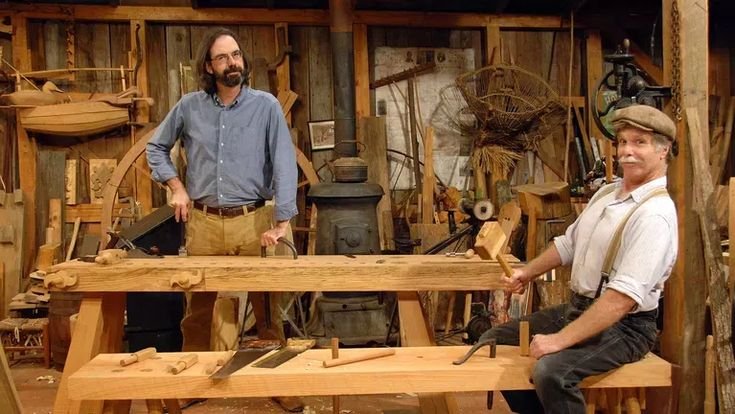
After many eye rolls, sighs, and planks that were now probably questioning their life choices sticking around with me, I finally found my rhythm. I took a step back and re-evaluated what I had. I learned to embrace some creative engineering, if you will. I used a wooden mallet I’d made from a scrap piece of maple—its weight felt good in my hands. I started to get the hang of the finer details, like chiseling out those joints. There’s something oddly satisfying about hearing the chisel glide through the wood. It sounds almost musical—the “thunk” of the mallet hitting the chisel was like a little drumroll every time I got it right.
At that point, I was digging the process. I even stumbled upon a can of natural tung oil I had on the shelf—it smells like a warm, nutty hug. I wiped it on the finished surface, and suddenly, the grain came alive. You wouldn’t believe how a bit of finish could transform a rough surface into something you’d actually want to touch.
Almost Giving Up
Of course, it wasn’t all rosy. One time, I miscalculated the angle on a joint—one little slip because I got cocky. And I’d be lying if I said I didn’t have a mini meltdown over it. There was this fleeting moment where I thought, “Is this really worth it? Why don’t I just buy a table at Wally World?” But then, I’d think about how much I wanted to make something that was truly mine.
I could feel the strength coming from the wood, whispering, “Come on, don’t give up.” And you know what? I didn’t. I mitered that joint back together with some wood glue and, sure, it still looked like it had been through battle, but it was my battle.
The Reward
Eventually, after way too many weekends spent in my cozy workshop, I finished that little table. And you know what? It wasn’t perfect—far from it, really. But when I finally stood back, coffee in one hand and a little pride in the other, it felt like mine. I guess what I learned was that each knot and scrape just added to its character, telling the story of the journey, the struggles, and the perseverance.
So, if you’re thinking about diving into this Japanese woodworking thing or any kind of woodworking really, just go for it. Don’t be intimidated by the perfect images or fancy tools. It’s all part of the process; those little mistakes? They’ll be your best lessons.
And maybe, just maybe, one day your coffee will taste even better while you admire that imperfect table, smelling of cedar and tung oil, and you’ll laugh at every misstep that got you there.