The Great Kerf Adventure
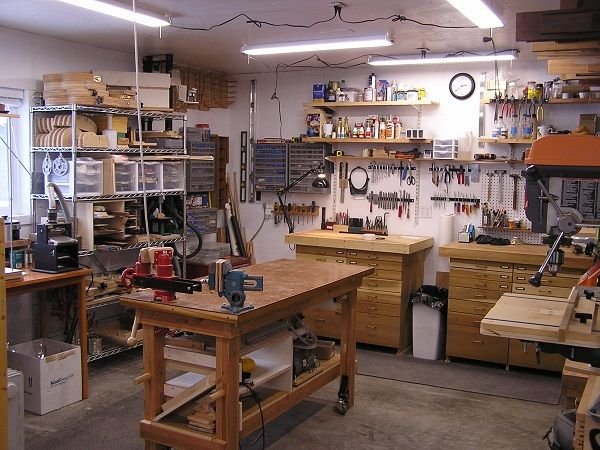
You know, when I first started woodworking, I had this romantic idea of what it meant to build stuff. I imagined myself in my little garage workshop, the smell of fresh-cut cedar filling the air, the sound of my trusty table saw humming away while I crafted some beautiful furniture. But, boy, let me tell ya, the reality slapped me right in the face the first time I really dug into a project.
So, there I was, all pumped up with my new cabinet-making plans. I had this vision of a cozy little cabinet to hold my dad’s old fishing gear. I’d just picked up some gorgeous pine from the local hardware store. You know, that kind with nice knots and rich color? It was practically begging to be transformed. I can still remember the smell of the wood when I first opened that package—it was like a warm hug.
Now, I had watched enough YouTube videos to feel semi-confident. I thought, “How hard can it be to make a cabinet? People do it for a living!” But that night was a little different. It was quiet, except for the hum of the air conditioner and the soft crackle of the wood as my saw sliced through it. It felt almost meditative until I realized, somehow, I was missing something. Every cut I made left me with these crummy gaps that were just not right.
The Dreaded Kerf
And that’s when it hit me—kerf. I had heard the term thrown around while watching a video or two, but I hadn’t paid much attention. For those who might not be familiar (like I was), kerf is basically the width of the cut made by a saw blade. A tiny detail, right? But oh my goodness, did that tiny detail ruin my day. As I looked down at what should’ve been a beautiful piece of cabinetry, all I saw were jagged edges and mismatched joints. I had no idea that the blade itself takes away a little bit of material with every cut, and I didn’t account for that when measuring and marking my pieces.
I felt like I was in a scene from a movie where everything falls apart. I thought about tossing that pile of wood outside and just calling it a day. Seriously, I almost gave up then and there. But then I remembered that my dad always used to say, “If you don’t mess up, you’re not trying hard enough.” So, with a heavy sigh and a cup of coffee that was long gone cold, I went back to the drawing board.
A Slow Discovery
So, I decided to grab my circular saw because, you know, I thought, “How hard can it be?” I cut another piece, this time double-checking my measurements and, with a new understanding of kerf, adjusting for that extra bit taken by the blade. I remember feeling both nervous and relieved as I made that cut again. When I carefully lined those pieces up, they fit perfectly. I was grinning from ear to ear, like a kid who just got the biggest scoop of ice cream.
But I still had my doubts. The sounds of the saw cutting through that wood—it was music, but I was still waiting for the record to skip. What if the other cuts didn’t line up? What if I was still missing something? But alas, as I sanded down the pieces, the smell of the fresh wood shavings made me feel like, maybe, just maybe, I was getting the hang of this.
The Journey Worth Taking
As the project unfolded, I realized that this wasn’t just about making a cabinet. It was about understanding the material, the tools, and the process. I learned to appreciate the nuances of kerf, how it plays into every cut, every fit, everything. I ended up making some adjustments—tightening screws instead of nails, using wood glue, re-sanding—things that I’d heard about but never truly grasped until that moment.
I don’t think I’ll ever forget the day I finally stood back and looked at that cabinet, smelling like fresh pine and a bit of sweat. It was imperfect, of course. There were spots I’d sanded a touch too much, but it was mine and it told a story—my story. It showed how I stumbled, fumbled, and figured it out. It was almost a piece of art, better than anything I could’ve bought in a store, because it came from my own two hands.
A Little Encouragement
So, if you’re thinking about diving into woodworking—whether you’re hoping to make a cabinet, a table, or a birdhouse—just go for it. Don’t be afraid to mess up. Embrace the kerf and all the little hiccups along the way. Trust me, the mistakes will teach you more than the successes ever will.
And who knows? You might end up brewing a cup of coffee and sharing your own stories someday, just like I did. Because every cut, every error, and every victory? Well, they all lead you to that moment when you stand back and think: “Hey, I did that.” And that feeling? It’s worth every second of frustration and confusion. Without a doubt.