The Wonders of Radio Frequency Press Woodworking
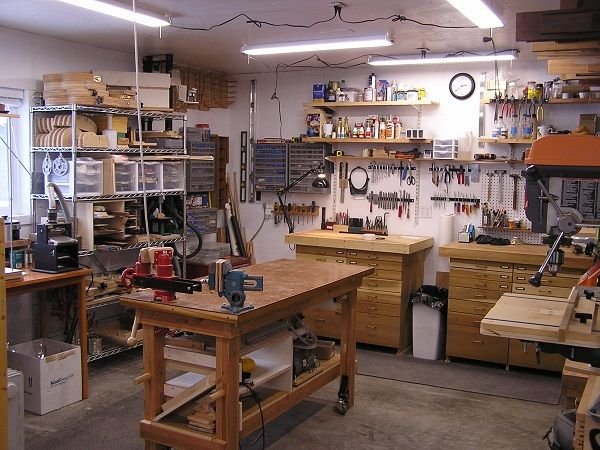
You know, sometimes I sit outside with my coffee, watching the sunrise, and I can’t help but think about all those projects I’ve taken on in my little garage workshop. Take radio frequency (RF) press woodworking, for example. At first, I had no clue what I was diving into, but boy, did I learn a thing or two along the way.
The First Encounter
It all started one lazy Saturday morning. I was flipping through “Fine Woodworking” and stumbled on an article about RF press woodworking. My first thought was, “What on Earth is that?” Turns out, it’s a method of bonding veneers with heat and pressure using radio waves. I got this spark in my chest – I had this big ambition to create some beautiful furniture instead of just taking up space in my garage with scraps. I even had my eye on some cherry and walnut from the local lumberyard.
So, I gathered my tools: I had my trusty old table saw, a decent band saw I managed to snag at a yard sale, and a handful of hand planes that had seen better days. Nothing too fancy, but they got the job done. The smell of freshly cut wood is one of those things that can put you in a good mood instantly, you know?
The Missteps
Now, where do I even start with the mistakes? Let’s just say I went into this project a bit too cocky. I thought, “I can glue that veneer down using just some clamps and call it a day.” Well, my friends, let me tell you—I really misjudged that one.
I remember the first piece I tried making. The plan was simple: a beautiful walnut tabletop. I spent hours selecting pieces that would match perfectly. The moment I peeled back the vinyl covering on the RF press, I felt like a kid waiting for Christmas. But as soon as that high-pitched hum started—oh boy, did I feel a little spark of panic. I had read the manuals, but it all seemed a bit mystical in practice, like trying to bake a soufflé without having ever boiled an egg before.
When I pulled the first piece out, my heart sank. The veneer started peeling right off, as if it had a mind of its own. That was when I almost gave up. I tossed the piece aside and sat there in my work chair, sulking like a kid who just got their favorite toy taken away.
The Turning Point
But something kept nagging me, pushing me to try again. Maybe it was the sheer beauty of that walnut, but who knows? After a few cups of coffee and an embarrassing amount of YouTube videos later, I dove back in. I learned that the RF press was about more than just throwing some heat and pressure at it. I discovered the crucial balance of time, temperature, and pressure settings. This time, I made sure the surfaces were flush and clean—no dust, no residue, just wood and adhesive.
I laughed when it actually worked on the second attempt. I could hardly believe it! As I peeled back that veneer and saw it nestled seamlessly on the substrate, I felt like I had just won a small battle in this great war against woodworking ignorance. Just the smell of the warm, cured veneer was something indescribable. I think the neighbors even poked their heads over the fence to ask what the magic was happening in my garage.
Revelations and Reflections
Looking back now, there are so many little gems I discovered during this whole process. For one, this way of woodworking can truly give you a sense of satisfaction that you just can’t get with other methods. There’s a unique joy when you see those pieces come together, especially after a rough start.
And oh man, the weight of that RF press when you were cranking it down—it’s like the machine weaved a spell of unity, turning mere wood into something that felt alive. It’s hard to explain, but there’s a distinct resonance when the final product weighs in your hands that almost sends shivers down your spine.
Even the sounds! The buzz and hum dissipating into a warm stillness, replaced by a soft “pop” as the press releases—like a tired, happy sigh.
A Little Bit of Wisdom
If there’s one thing I wish someone had told me earlier, it’s that failures are part of the journey. I think too often, folks shy away from tackling woodworking because they fear they won’t get it right the first time. So, if you’re sitting there, sipping your coffee, and contemplating giving this a go, just go for it. Dive into those mistakes like I did. There’s something profoundly important in the process, the mess, and the adventure.
And who knows? You might just end up creating something beautiful—even if it takes a few tries and a couple of cups of coffee to do it. So grab your tools, and don’t be afraid to chase that spark. In the end, it’s all part of the fun of woodworking and the stories that come with it.